The homes that stay with you are rarely defined by a single finish. In River Oaks, design-driven buyers usually respond to something deeper: proportion, light, material honesty, and the way a house sits on its lot. If you are trying to understand what stands out in this market, it helps to know that buyers here often look past surface updates and study how well the whole property works together. Let’s dive in.
Why design matters in River Oaks
River Oaks is a compact, mostly owner-occupied city in Tarrant County with a long-established housing pattern. The city is largely built out, with only about 1% undeveloped or vacant land, and most developed land is devoted to single-family homes. That means buyers are often comparing existing homes on their ability to balance character, renovation quality, and site fit rather than comparing brand-new inventory.
A large share of the housing stock dates to the 1940s and 1950s. That age matters because buyers tend to notice whether a renovation respects the original home or simply covers it with newer finishes. In a market like this, design is not just about style. It is about whether the house feels resolved.
First impressions start outside
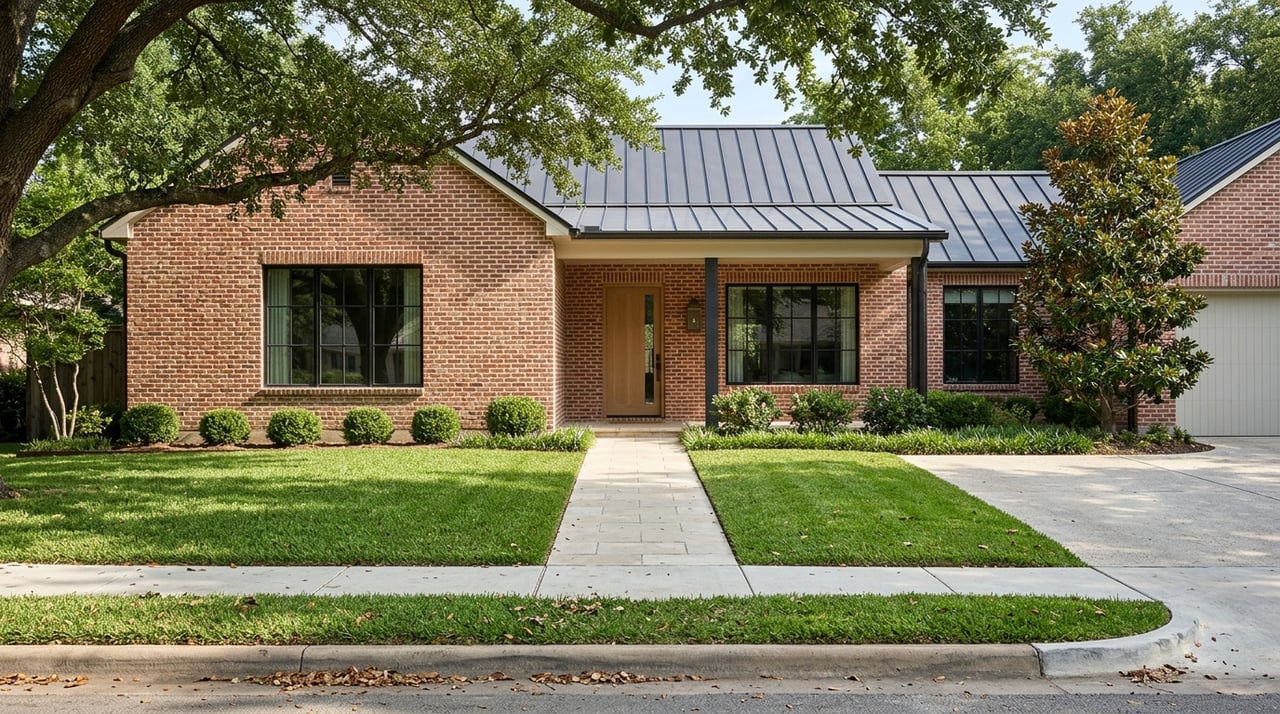
Before buyers step through the front door, they are already reading the home. On a listing screen, they often notice facade balance, window rhythm, and the relationship between the house and the front yard. In person, those cues become even clearer.
River Oaks has a naturally wooded setting shaped by mature oaks and the West Fork of the Trinity River. That backdrop makes curb appeal feel more layered than a fresh coat of paint. Buyers often respond to how the porch presents itself, how the roofline meets the facade, and whether walkways, driveways, and planting beds feel intentional.
What buyers notice at the curb
- The balance of the front elevation
- Window placement and consistency
- Porch presence and entry sequence
- Roofline shape and overall massing
- Front-yard planting structure
- How the home relates to the street and lot
In an established setting, landscaping is not just maintenance. It reads as part of the design story. A home can feel far more complete when the exterior and site appear considered together.
Proportion often matters more than size
In older neighborhoods, bigger is not always better. Buyers who care about design often pay close attention to room scale, ceiling height, and how spaces connect. They want to know whether the house feels comfortable and coherent, not just updated.
Because lot sizes and house sizes can vary across River Oaks, buyers often compare how well a home fits its site. An addition may add square footage, but if it disrupts the original massing or makes the floor plan feel awkward, design-conscious buyers usually notice right away. They tend to appreciate homes where updates feel integrated instead of layered on top.
Questions buyers ask themselves
- Does the layout feel natural from room to room?
- Were additions handled with restraint?
- Do the rooms keep a consistent scale?
- Does the house still feel true to its original form?
This is one reason character-rich homes can compete so well here. A smaller house with strong proportions and a thoughtful renovation may leave a better impression than a larger home with uneven flow.
Light changes how a home feels
Natural light is one of the quickest filters buyers use. National design reporting points to ongoing interest in larger windows, doors, and skylights, and that preference becomes especially noticeable in a wooded setting. In River Oaks, mature trees can be a major asset, but they also make daylight strategy more important.
When buyers tour a home, they often notice how light moves through the main living areas, whether window placement feels intentional, and how the home connects visually to the yard. Even if they do not use design terms, they are responding to brightness, openness, and comfort.
Signs of thoughtful daylight design
- Windows that suit the room rather than feel randomly placed
- Rooms that receive balanced light during the day
- Sight lines that borrow light from adjacent spaces
- Doors and openings that improve connection to outdoor areas
- Window updates that fit the architecture of the home
A house does not need dramatic glass walls to feel well lit. In many River Oaks homes, buyers simply want light that feels natural to the architecture and the site.
Renovations should feel cohesive
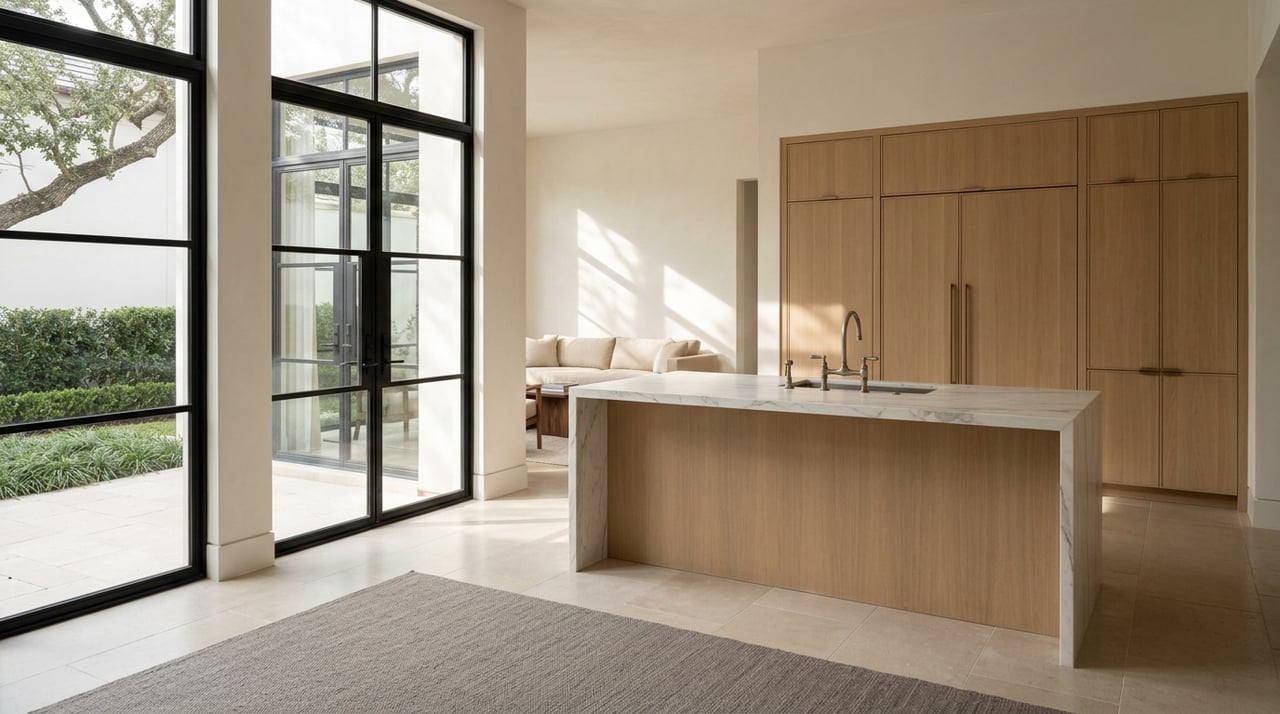
Kitchen and bath updates matter, but they are rarely judged in isolation. Buyers tend to look at those spaces through the lens of the whole house. If the kitchen feels highly stylized while the rest of the home reads as modest or traditional, the result can feel disconnected.
Current design interest still includes classic styles, vintage character, and authentic materials. In River Oaks, that often translates into a simple question: does the renovation belong here? Buyers usually notice when materials, colors, cabinet profiles, tile choices, and hardware feel consistent with the age and scale of the home.
Cohesion buyers look for
- Cabinetry that matches the home's character
- Tile and stone selections that feel timeless
- Hardware and lighting with a consistent finish language
- Flooring transitions that are smooth across rooms
- Updates that improve function without erasing personality
The strongest renovations often feel quiet. They improve daily living while preserving the home's original logic.
Materials reveal the quality of care
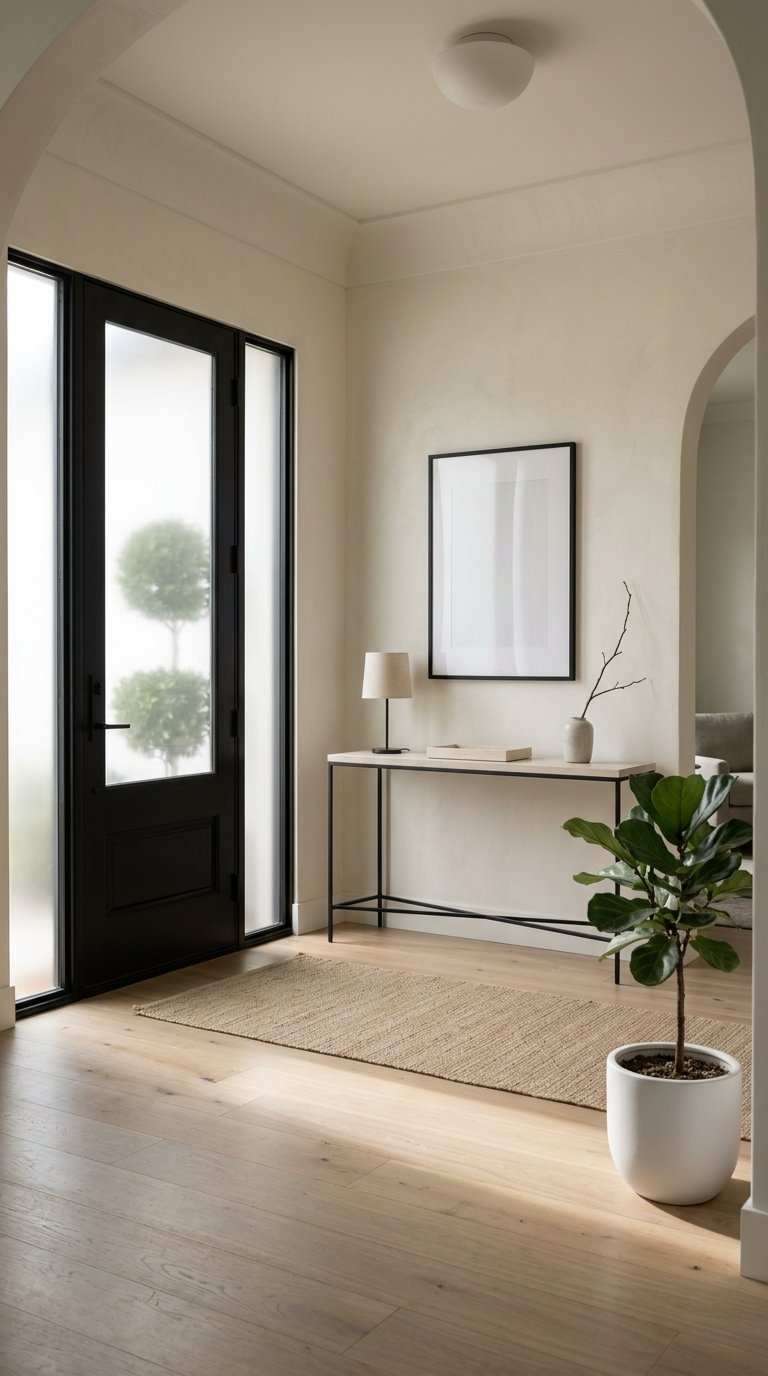
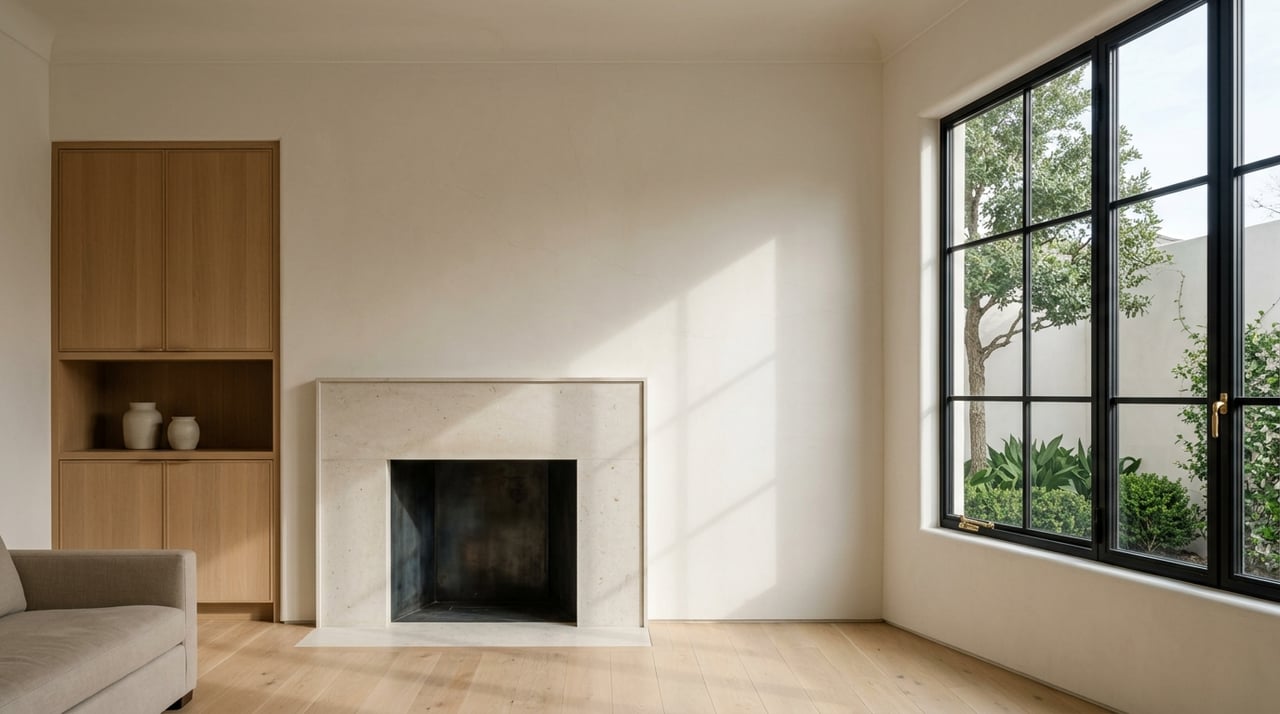
Design-driven buyers tend to look closely at materials because materials often tell the truth. Natural wood, light hardwood floors, trim depth, built-ins, and cabinet construction can all signal whether a home has been carefully maintained or only cosmetically refreshed.
In River Oaks, where many homes have some age and history, buyers often pay attention to the shell as much as the décor. Windows, doors, siding, and lighting choices can shape how they read the quality of the entire property. These details affect both appearance and the sense that updates were made with care.
Details that stand out fast
- Door profiles and hardware quality
- Depth and condition of trim and millwork
- Built-ins that look original or thoughtfully added
- Flooring that feels durable and appropriate
- Window quality and consistency from room to room
When finishes change too abruptly from one area to another, buyers may wonder what was prioritized. A consistent material story tends to create more confidence.
Outdoor space is part of the design story
In River Oaks, the site itself matters. The city's planning documents note sloped areas overlooking the river as well as floodplain and open-space conditions. For buyers, that can make grading, drainage, privacy, and yard usability more noticeable than they might be in a flatter, newer subdivision.
Outdoor living is not just about adding a patio. Buyers often notice whether the rear yard feels easy to use, whether transitions from interior rooms make sense, and whether tree canopy and planting support the home's architecture. A well-composed site can make a house feel calmer and more complete.
Site features buyers often evaluate
- Drainage and visible grading
- Patio placement and usability
- Privacy created by landscape structure
- The relationship between the house and rear yard
- Tree canopy and how it affects light and comfort
This is where design and upkeep meet. A beautiful interior can lose momentum if the outdoor spaces feel unresolved.
What sellers can learn from this
If you plan to sell a River Oaks home, the takeaway is simple: buyers are often looking for discipline, not excess. They notice whether your updates support the architecture, whether the materials feel durable, and whether the site has been cared for with intention.
That does not always mean a major renovation is needed. Often, the more effective move is to clarify what is already working. Clean sight lines, consistent finishes, well-kept landscaping, and thoughtful presentation can help buyers see the home's design strengths faster.
For a design-conscious buyer, architecture, setting, and upkeep are inseparable. In River Oaks, that point carries real weight because the housing stock is older, mostly single-family, and shaped by an established wooded setting. The homes that make the strongest impression tend to be the ones where the shell, the renovation, and the site all speak the same language.
If you are buying or preparing to sell and want a sharper read on what design-driven buyers will actually notice, Patricia Reed brings a refined, art-informed perspective to positioning, evaluating, and presenting distinctive homes.
FAQs
What do design-driven buyers notice first in River Oaks homes?
- They often notice facade balance, window rhythm, landscaping, and how well the house fits its lot before they focus on interior finishes.
Why do renovations matter so much in River Oaks?
- Many homes date to the 1940s and 1950s, so buyers often look for updates that preserve the home's proportions and character instead of masking them.
How important is natural light in River Oaks homes?
- Natural light is a major factor because mature trees and an established setting can make window placement, brightness, and yard connection especially noticeable.
What materials stand out to buyers in River Oaks homes?
- Buyers often pay attention to wood floors, trim, built-ins, cabinetry, doors, windows, and other finishes that suggest lasting quality and cohesive design.
Why is landscaping important for River Oaks home appeal?
- Landscaping often reads as part of the overall design, especially in a naturally wooded city where curb appeal, grading, and outdoor usability shape first impressions.