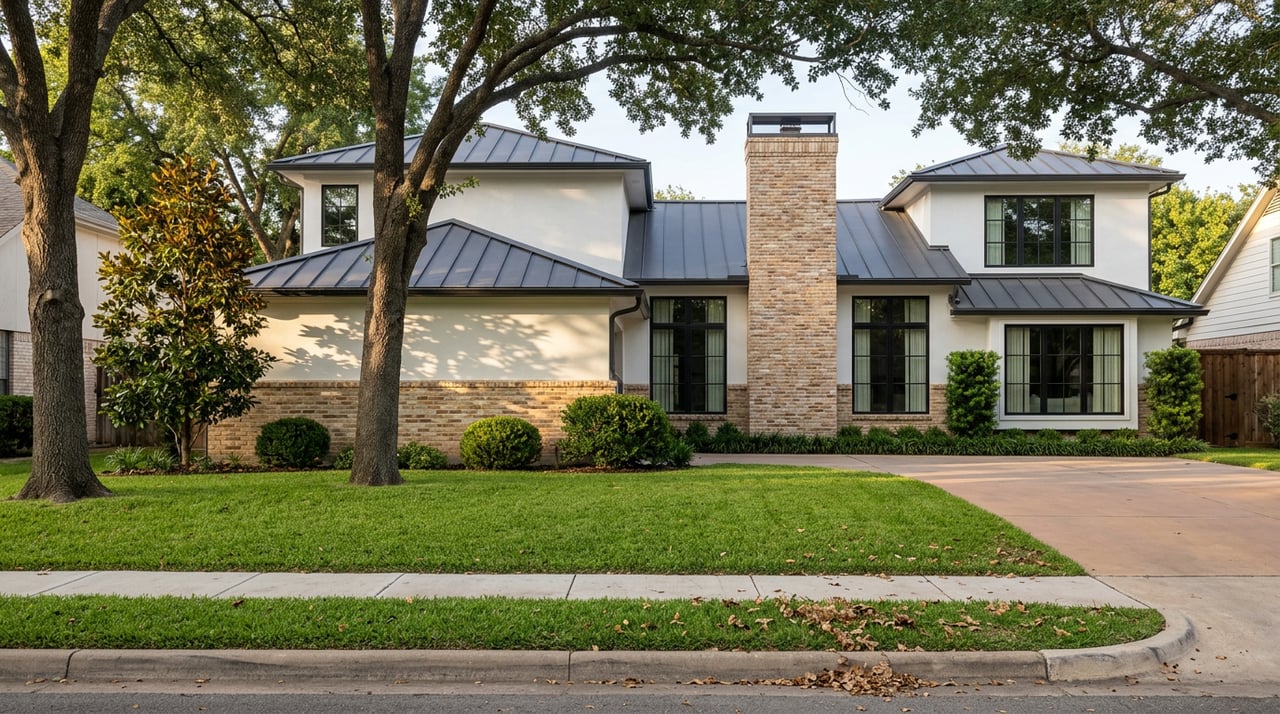
What draws design-minded buyers to Tanglewood is simple to feel and hard to replicate: a sweeping live-oak canopy, generous lots, and a quiet residential rhythm just minutes from Houston’s Uptown energy. If you are weighing a move here, you likely care about both architecture and daily ease. This guide brings both into focus so you can see how the neighborhood looks, lives, and evolves, plus what to check before you buy. Let’s dive in.
Where Tanglewood sits and why it matters
Tanglewood is an established single-family neighborhood in Houston’s Uptown/Galleria area, generally described as bounded by the Union Pacific tracks to the north, Post Oak to the east, San Felipe to the south, and T.C. Jester to the west. You feel close to everything without giving up a residential setting, with quick access to Uptown shopping and dining just to the east. For a concise overview of the area context and boundaries, review this neighborhood snapshot from HoustonProperties.
At the subdivision level, the Tanglewood Homes Association notes about 1,220 lots across 23 sections, with development that began in the late 1940s and the association chartered in 1948. Those numbers underscore the neighborhood’s scale and its long arc of stewardship by the Tanglewood Homes Association.
From a market snapshot perspective, HAR’s neighborhood profile shows a median lot size around 16,500 square feet, a median year built close to 1990, multi-million-dollar recent list and sold prices, and very large median home square footage. These are neighborhood-level aggregates that shift with new construction and sales. Use them as a starting point and request an address-level CMA for precision via HAR’s Tanglewood profile.
Streetscape: the oak canopy and curving lanes
The visual anchor of the neighborhood is Tanglewood Boulevard, a wide esplanade shaded by mature live oaks. A well-used pedestrian path runs its length, so you often see morning joggers and evening dog walkers moving under the canopy. The broad setbacks, curving streets, and cul-de-sacs create a quiet, park-like feel that is hard to find so close to Uptown. You can see this described in neighborhood guides like HoustonProperties’ overview and in the association’s own materials.
Original plats favored larger lots and curved roads rather than a strict grid, which means many parcels are deep or slightly irregular. That lot pattern, paired with mature trees, gives architects room to work with light, privacy, and outdoor living in meaningful ways, while still fitting the established character outlined by the Tanglewood Homes Association.
Architecture: from ranch roots to custom estates
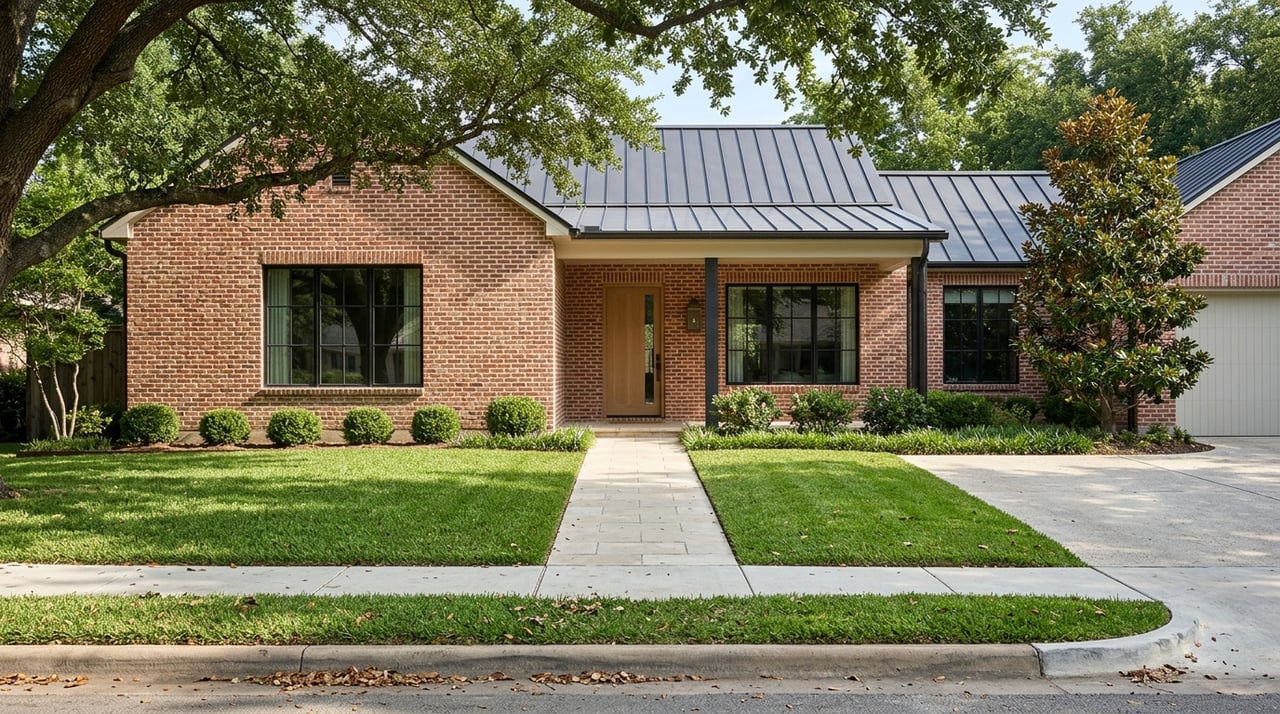
The first generation of homes here, built from the late 1940s through the 1960s, leaned toward one-story ranch and low-profile mid-century designs. Starting in the 1980s and accelerating through the 2000s and 2010s, many of those lots saw full renovations or teardowns, replaced by larger two-story custom homes. You can see the effect in HAR’s rising median year built and the overall jump in square footage noted on the HAR Tanglewood profile.
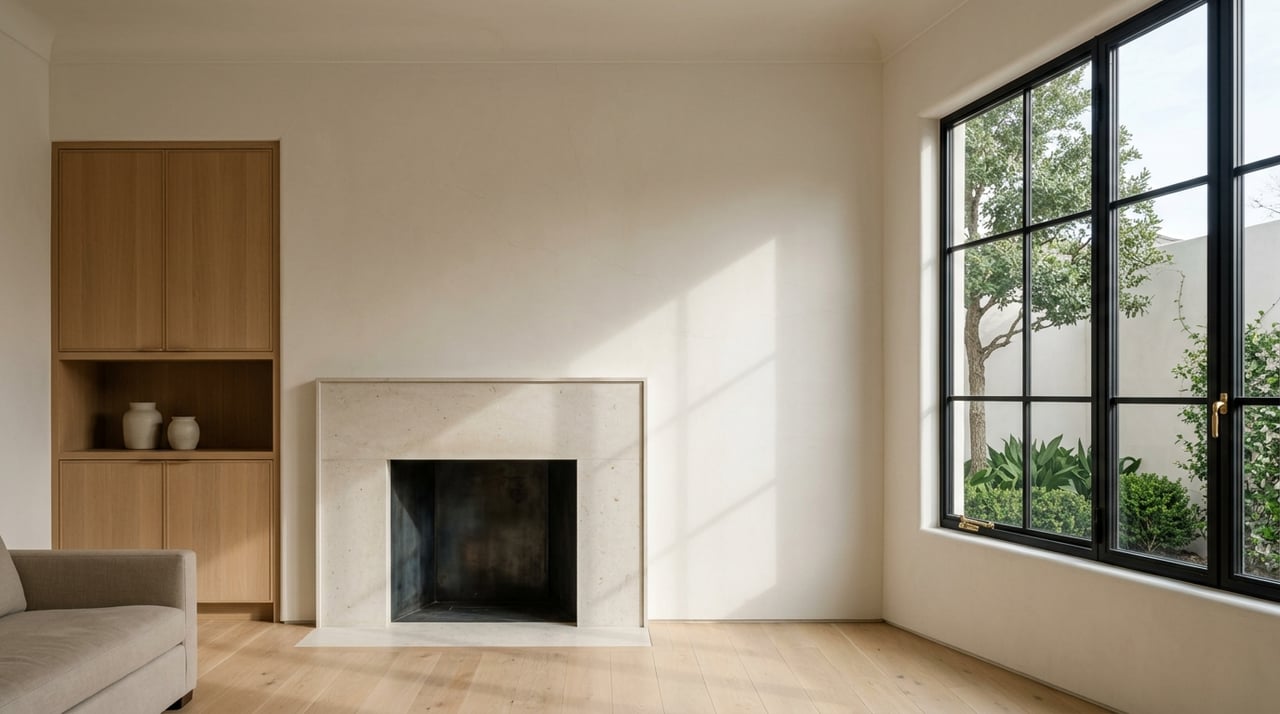
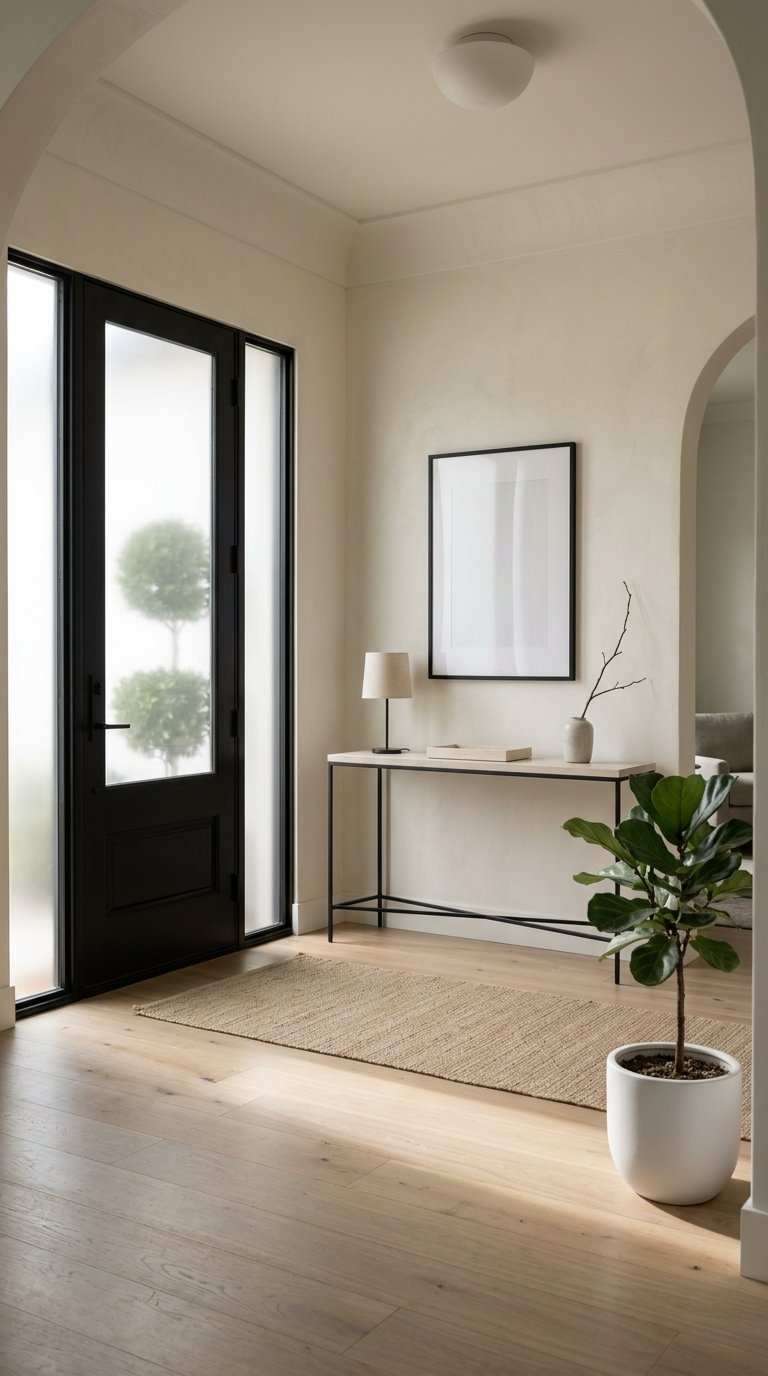
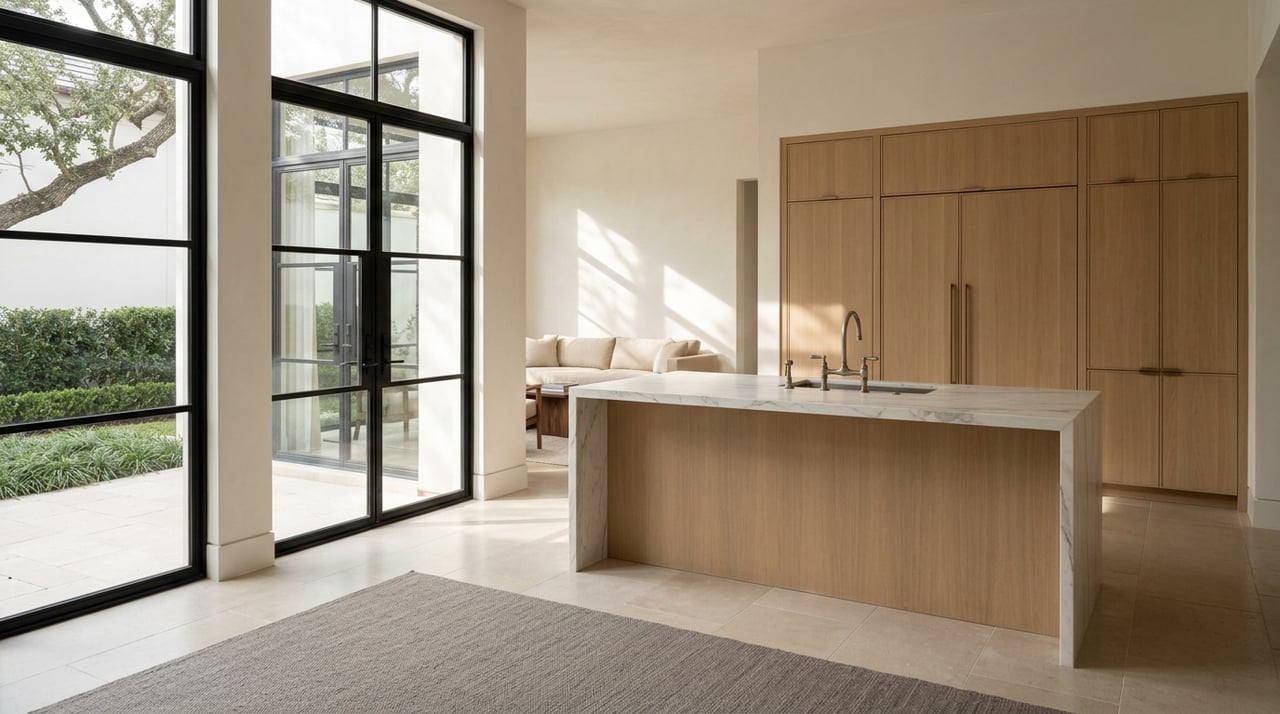
On today’s blocks you will find a mix: enduring ranch footprints, traditional and Georgian forms, Mediterranean or Tudor influences, and a growing set of contemporary or transitional designs. Many new builds favor formal facades and light-filled interiors with modern materials. Inside, plans often support luxury amenity programs like pools, covered outdoor rooms, work-from-home suites, home theaters, and large service kitchens. Through it all, the continuity of the tree canopy and the scale of the lots help the street feel cohesive, even as individual houses evolve within the standards maintained by the Tanglewood Homes Association.
What to notice on a walk-through
- Lot depth and specimen trees. Many properties feature mature oaks. Designers often orient windows, courtyards, and porches to protect roots and frame views.
- Natural light and ceiling height. Transitional and contemporary homes here frequently use tall glass, steel or wood accents, and gallery-like walls that suit art collections.
- Outdoor flow. Covered verandas, summer kitchens, and pool courts are common. On larger parcels, guest or studio spaces are often integrated near the garage.
Daily rhythm and neighborhood feel
Mornings and evenings are notably quiet, with steady pedestrian use along Tanglewood Boulevard’s path. During the day, you will see at-home professionals and residents commuting into nearby job centers. Deed restrictions, private patrols, and rules enforced by the Tanglewood Homes Association contribute to order and privacy throughout the neighborhood.
Parks and the outdoors
Inside the neighborhood, Tanglewood Park at 5801 Woodway functions as a local pocket park with a playground, tennis courts, a fenced dog area, and a short paved trail of about 0.20 mile. The site is approximately 4.6 acres, according to the City of Houston’s parks master plan for this sector. Review the City’s document for details on acreage and trail length in HPARD’s Sector 9 plan.
For longer runs, golf, and extensive trail systems, residents leverage nearby Memorial Park and the Houston Arboretum, which add a regional open-space layer to Tanglewood’s local amenities. The same City plan provides context for these larger parks and how they complement neighborhood-scale green space.
Shopping, dining, and access
You are moments from the Galleria/Uptown cluster, including destination retail and dining at The Galleria and Uptown Park. Off-peak drive times into the heart of Uptown are often in the 5 to 15 minute range, though the corridor’s traffic patterns can widen that window. A local commute mapping piece illustrates these ranges for typical trips in the area; see the drive-time framing in this Uptown commute overview.
For a sense of the dining and shopping scale nearby, explore the Galleria/Uptown district overview from Visit Houston. Day-to-day errands are anchored along San Felipe and Woodway, with grocery and boutique options spread through the Uptown corridor, as noted in HoustonProperties’ Tanglewood guide.
Walkability, driving, and transit
Walkability in Tanglewood varies by block. Interior residential streets are serene but more suburban in use, while pockets near the San Felipe and Post Oak corridors feel more walkable to nearby services. A sample Walk Score for the Chimney Rock and San Felipe intersection shows higher scores typical of Uptown-adjacent corners, while interior blocks trend lower. You can see this variation in a Walk Score sample. In practice, most residents enjoy the boulevard path for exercise and rely on short drives for errands.
Buyer checklist for Tanglewood homes
Use this quick list to focus your research and due diligence:
- Deed restrictions and rules. Review the Tanglewood Homes Association for construction guidelines, deposits, tree policies, private patrol details, and trash services. These shape what gets built or removed.
- School zoning. A commonly cited feeder pattern is Briargrove Elementary to Tanglewood (Grady) Middle to Wisdom (Lee) High, but Houston ISD boundaries and options change and can vary by a block. Verify the exact address with HISD’s current zone maps and campus sites, and use the general overview from HoustonProperties’ guide as a starting context, not a final answer.
- Flood and drainage history. Portions of many inner-Houston neighborhoods have seen high water in major storms. For any property, request the seller’s disclosures and check flood history, elevation certificates, and mitigation updates with FEMA and Harris County resources.
- Trees and surveys. If a lot has many mature oaks, consider an arborist evaluation and confirm root-zone protections during any planned work. Order a current survey early in the option period.
- Construction activity. Many ranch-era parcels are actively redeveloping. Expect short-term construction impacts on some blocks. Builders must comply with THA construction agreements and deposits.
- Pricing and comps. Start with neighborhood aggregates from the HAR Tanglewood profile, then rely on block-specific, on-the-street comparables for valuation.
Lot size, year built, and pricing snapshot
To calibrate expectations, HAR cites a median lot size near 16,500 square feet and a median year built around 1990 in Tanglewood, with multi-million-dollar list and sold prices and large median home square footage. Remember that these are rolling neighborhood-level aggregates that shift as new builds and estate resales trade. For any serious consideration, commission an address-level CMA that accounts for lot placement, tree canopy, architectural quality, and recent block activity using HAR’s neighborhood profile as your initial frame.
Who thrives in Tanglewood
If you value a quiet, tree-shaded streetscape, large lots, and an architectural mix that respects both tradition and modern design, Tanglewood stands out. You have a daily routine that feels residential and calm, plus quick access to Uptown’s restaurants, retail, and services when you want them. That balance of privacy and proximity is the neighborhood’s enduring appeal.
When you are ready to tour on-the-street comparables, discuss build quality, or stress-test a price target with recent sales, connect with a guide who blends market precision with a design-trained eye. If that sounds helpful, reach out to Patricia Reed. Let’s Connect.
FAQs
What architectural styles define Tanglewood today?
- You will see original one-story ranch and mid-century homes alongside larger custom builds that lean traditional, Georgian, Tudor or Mediterranean, plus a growing set of contemporary and transitional designs, reflecting the replacement trend noted in HAR’s neighborhood profile.
How walkable is Tanglewood for daily errands?
- Walkability varies by block. Interior streets feel residential and calm, while Uptown-adjacent corners near major corridors show higher walkability measures. Most residents use the Tanglewood Boulevard path daily and drive a short distance for errands.
What parks and trails are near Tanglewood?
- Inside the neighborhood, Tanglewood Park offers about 4.6 acres with a small paved loop, playground, tennis courts, and a dog area. Nearby Memorial Park and the Houston Arboretum supply miles of trails and regional-scale amenities.
How close is Tanglewood to the Galleria and Uptown dining?
- Off-peak trips to the heart of Uptown are commonly 5 to 15 minutes, with traffic as the main variable. The Galleria/Uptown district provides extensive shopping and dining options when you want big-city convenience.
What should I review before buying a Tanglewood home?
- Confirm deed restrictions and construction or tree rules with the Tanglewood Homes Association, verify school zoning at the exact address with HISD, review property-level flood history and elevation documents, order a current survey, and use block-specific comparables in addition to neighborhood aggregates from HAR.