If you are preparing to sell in the Memorial Villages, one question matters early: which updates will actually improve the way your home looks online and in person? In a design-conscious area like 77024, buyers often form opinions from photos before they ever step through the door. A thoughtful plan can help you avoid wasted work, focus your budget, and present your home with the clarity luxury buyers expect. Let’s dive in.
Why presentation matters in 77024
The Memorial Villages are not one single city. They are a group of separate municipalities that include Bunker Hill Village, Hedwig Village, Hillshire Village, Hunters Creek Village, Piney Point Village, and Spring Valley Village.
That local setting matters for two reasons. First, buyers in this part of Houston often respond strongly to architecture, scale, light, and finish choices. Second, because search usually starts online, your home needs to read well in photos before it can shine in person.
Research from the National Association of Realtors shows how much presentation shapes that first impression. In its 2025 home staging report, 83% of buyers’ agents said staging made it easier for buyers to picture a property as their future home.
That same report found a gap between what buyers expect and what they often see. Nearly half of respondents said buyers expect homes to look like they were staged on TV, and 58% said buyers felt disappointed when real homes did not meet those expectations.
In other words, buyers are not just evaluating square footage or bedroom count. They are reacting to how intentional the home feels, how well the rooms flow, and whether the property looks polished from the first image onward.
Start with updates before staging
Staging works best when the home is already clean, repaired, and edited. According to NAR, staging includes cleaning, decluttering, repairing, depersonalizing, and updating the home.
That definition is useful because it keeps sellers from jumping straight to furniture and accessories. If a room still has visible wear, poor lighting, or distracting clutter, no amount of styling will fully solve the problem.
A practical sequence is simple:
- Fix obvious defects
- Complete visible cosmetic updates
- Stage the key rooms
- Photograph the home last
That order matters because photos are often the first showing. NAR’s 2025 report found that 73% of buyers’ agents rated photos as the most important media element for clients.
Focus on the updates buyers will notice
Not every pre-listing project deserves your time or budget. In most cases, the best return comes from work that improves the way the home reads in person and on camera.
Start with the basics that can quietly undermine a luxury presentation:
- Clean light fixtures thoroughly
- Replace burned-out bulbs
- Dust every surface
- Reduce visual clutter
- Remove overly personal or distracting items
- Create a more neutral backdrop where needed
These may sound simple, but they have an outsized effect. Clean, balanced lighting and orderly rooms allow buyers to notice the architecture and finishes rather than small distractions.
NAR’s photo guidance also points to details sellers often overlook. Open toilet lids, televisions dominating the background, and cars visible in driveway shots can pull attention away from the home itself.
Stage the rooms that matter most
If you have a limited staging budget, it helps to be selective. NAR’s 2025 report found that the rooms buyers’ agents considered most important to stage were the living room, primary bedroom, dining room, and kitchen.
If you need to narrow that list further, begin with the living room, primary bedroom, and kitchen. These spaces often carry the strongest emotional and visual weight in a listing.
Living room
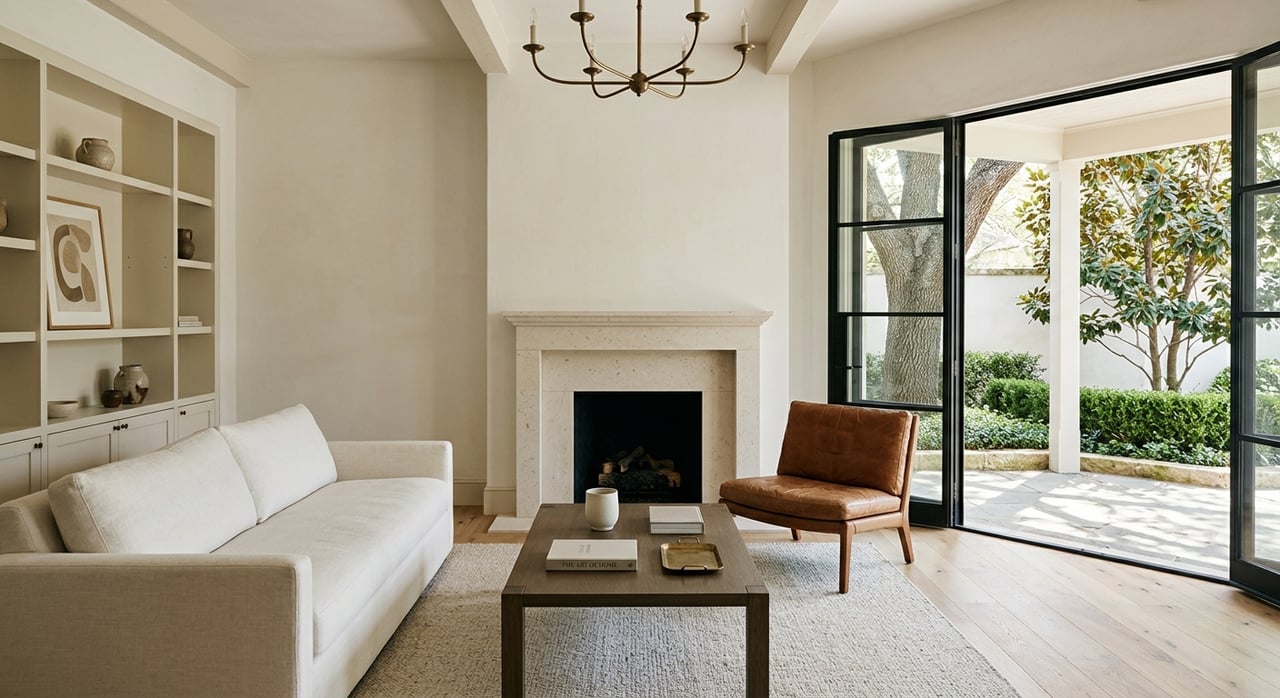
The living room often sets the tone for the entire home. In the Memorial Villages, where buyers may be comparing traditional estates, transitional interiors, and modern homes, this room should feel composed and easy to understand.
Furniture placement should support scale and circulation. The goal is not to fill every corner, but to make the room feel balanced and to show how people can comfortably use the space.
Primary bedroom
The primary bedroom should feel calm and edited. Too much furniture or too many accessories can make even a large room feel visually busy.
A restrained approach usually works best. Soft layers, clear surfaces, and thoughtful lighting help the room feel restful without becoming generic.
Kitchen
Kitchens benefit from a clean, pared-back presentation. Counters should read as spacious, and surfaces should feel clean and current.
Even when a kitchen is not newly renovated, strong preparation can improve its impact. Removing excess countertop items, refreshing lighting, and making sure every finish looks clean can make a meaningful difference in photos.
Keep staging edited and intentional
In a luxury market, staging should highlight the home rather than compete with it. NAR notes that effective staging combines architecture, aesthetics, and furnishings to show a home’s unique features and floorplan flow.
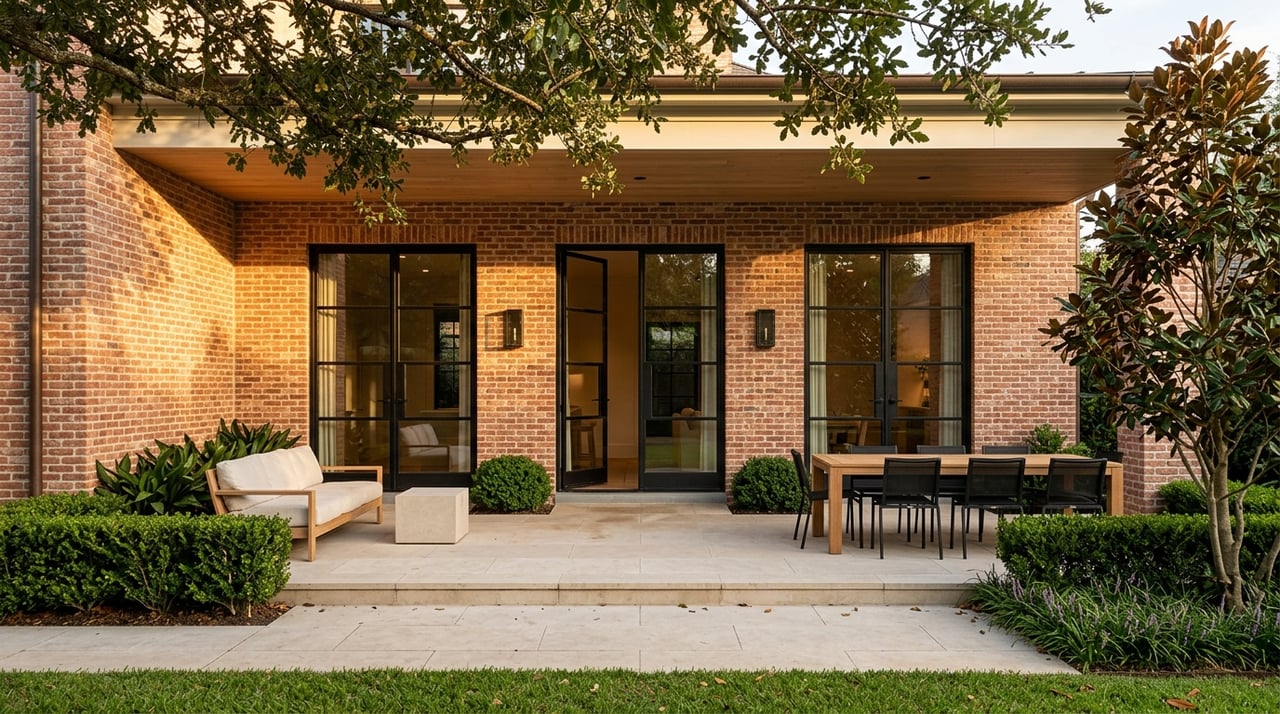
That is especially relevant in the Memorial Villages, where buyers may be drawn to ceiling height, millwork, windows, fireplaces, or strong indoor-outdoor connections. The staging plan should direct attention to those features, not hide them.
A well-placed piece of art can support that goal. NAR says art can add color to a background and improve online photos, especially on key walls or above a fireplace.
The best effect is usually subtle. You want the home to feel collected and finished, not over-styled.
Coordinate curb appeal with the interior
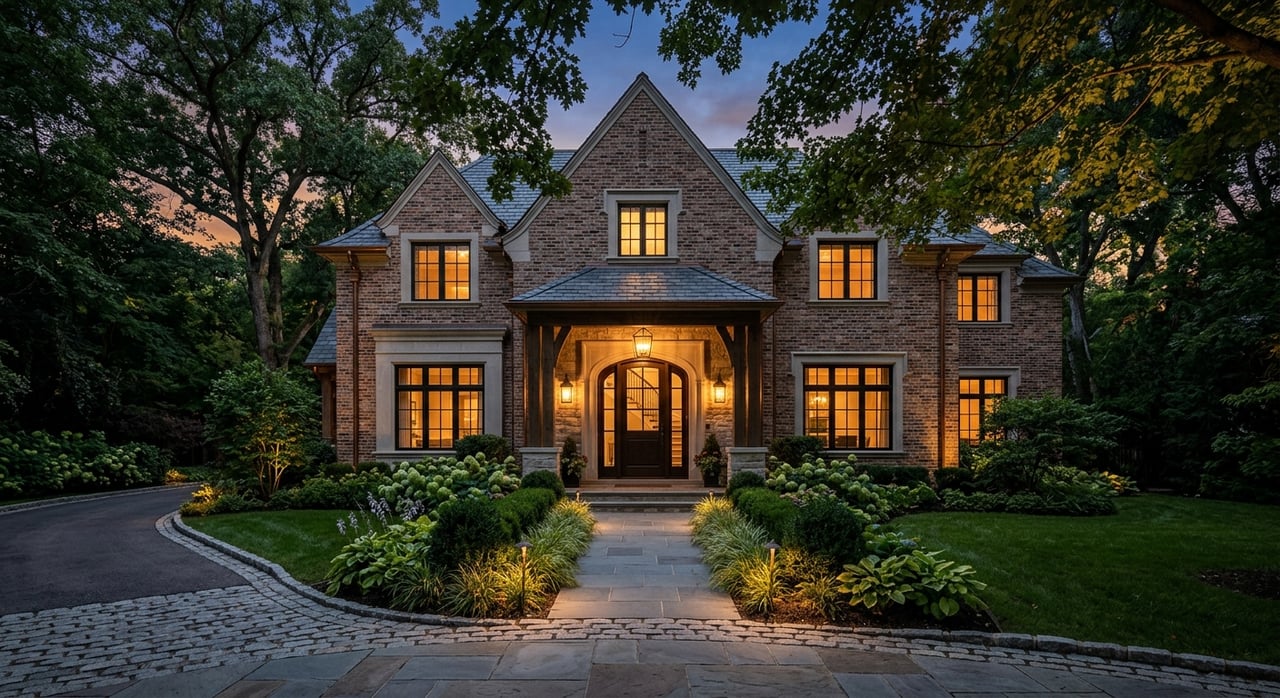
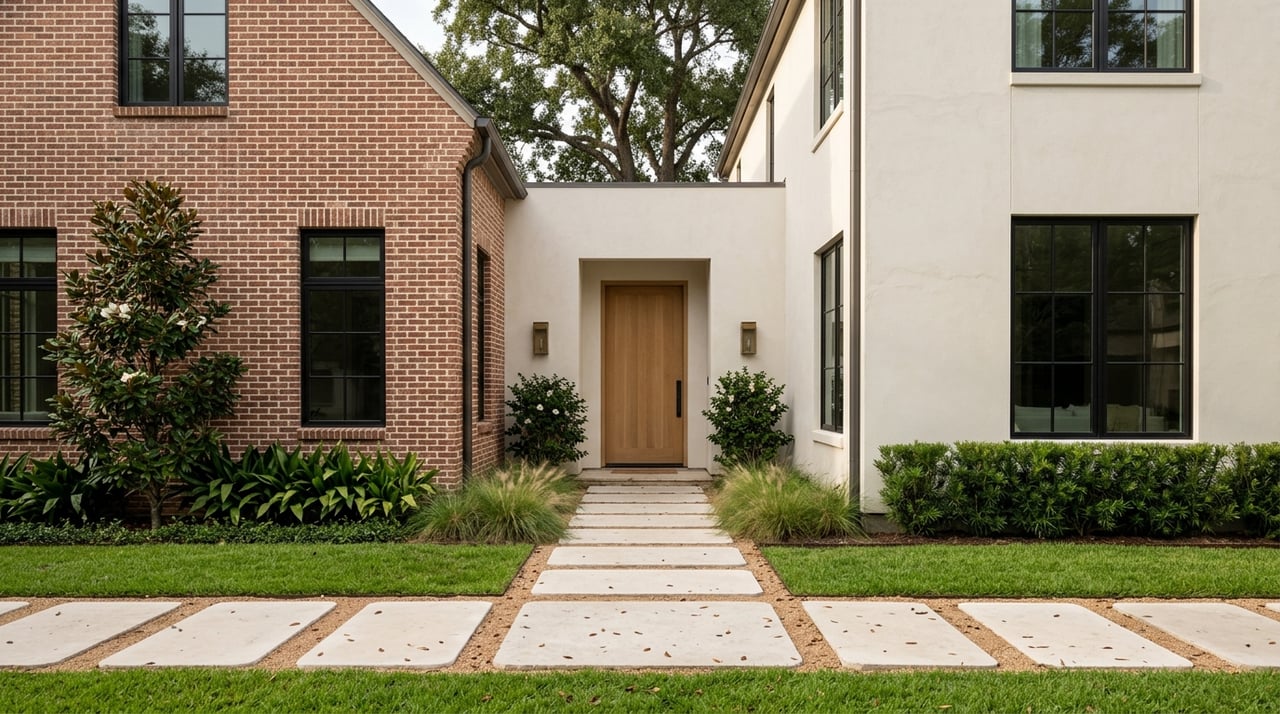
Exterior presentation deserves the same attention as your main living spaces. NAR says the front yard can make or break a listing.
That starts with the arrival experience. Fresh front-door paint, clean landscaping, porch seating where appropriate, and lighting that highlights the architecture can all strengthen the first impression.
This is particularly important because your lead listing photo may be the image that wins a buyer’s click. NAR reports that 81% of buyers rated listing photos as the most useful feature in online home search.
Sometimes the strongest first image is an exterior shot. Other times, a lifestyle-focused interior photo performs better than a wide overview. Either way, the property should feel complete before the camera comes out.
Photograph only after the reset
Photography should happen after repairs, updates, cleaning, and staging are fully complete. If you shoot too early, you may capture avoidable distractions that weaken the home’s presentation.
NAR recommends a clean and simple setting, balanced lighting, and a light touch with styling. Dark rooms can be brightened with lamps, and photographers should avoid overly distorted wide-angle views.
The larger point is this: your listing photos should feel honest, bright, and composed. They should show the home at its best while still feeling true to the space a buyer will see in person.
Vacant homes need extra planning
Vacant homes often require more intentional staging than furnished homes. NAR notes that empty rooms can feel smaller and colder, while furnishings help buyers understand scale and function.
In a luxury setting, this matters even more. A vacant living room or primary suite may not communicate proportion clearly, and buyers can have a harder time reading how the rooms connect.
If virtual staging is used, NAR says those images should be clearly labeled as virtually staged. That keeps the marketing presentation clear and consistent.
Plan around village permit rules
One of the most important practical details in the Memorial Villages is that permit requirements vary by municipality. Because these are separate cities, you should confirm local rules before starting exterior or more involved pre-listing work.
This step can help you avoid delays, repeat work, or last-minute surprises just as you are getting ready to go on the market.
Bunker Hill Village
Bunker Hill Village lists permit categories that include remodels, roofs, fences, generators, irrigation, driveways and patios, pools, and tree removal. The city also requires contractor registration before permits are purchased.
Its city FAQ notes that fence work beyond repairing up to two sections needs a fence permit, and tree removal requires a permit before the tree is cut down.
Hunters Creek Village
Hunters Creek Village lists permits for demolition, driveways, fences, generators, irrigation, pools, and remodeling.
If your pre-listing work extends beyond simple cosmetic preparation, it is worth checking local requirements early.
Piney Point Village
Piney Point Village says plan submissions are by appointment only. Its permit forms cover driveway and flatwork or decking, fences, irrigation, landscape lighting, window and door replacement, pools, and tree disposition.
That appointment-based process can affect timing, especially if you are trying to coordinate several vendors at once.
Spring Valley Village
Spring Valley Village no longer accepts paper plans and notes that many residential plan reviews take 7 to 10 business days. The city also requires proof of general liability insurance on permits and lists separate permits for demolition, driveways and culverts, fencing, roofing, electrical, mechanical, and plumbing work.
If your preparation plan includes exterior improvements or trade work, build that review time into your schedule.
Choose contractors carefully
When you hire contractors, a clear process matters. Guidance from the Texas Attorney General and the FTC recommends comparing written bids, checking that contractors are licensed and insured, and using written contracts that spell out scope, materials, price, completion date, and change-order terms.
That kind of documentation helps keep a pre-listing plan on schedule. It also makes it easier to coordinate multiple moving parts if you are updating, staging, and preparing for photography at the same time.
A practical Memorial Villages sequence
For many sellers in 77024, the most efficient path looks like this:
- Confirm whether any planned exterior work needs a local permit
- Complete visible cosmetic updates and repairs
- Edit and stage the home with a clean, design-aware approach
- Reset every room and exterior area fully
- Photograph only when the property is truly camera-ready
This sequence keeps your effort focused on what buyers will actually see. It also respects the local permit environment across the Memorial Villages.
When you approach updates and staging together, the result is usually more coherent. The home feels considered, the photography becomes stronger, and buyers can focus on the architecture and livability rather than the unfinished details.
If you are preparing to sell in the Memorial Villages, a calm, well-sequenced plan can protect your time and help your home present with more clarity. For tailored guidance on positioning, presentation, and next steps in 77024, connect with Patricia Reed.
FAQs
Which rooms should you stage first in a Memorial Villages home?
- If your budget is limited, start with the living room, primary bedroom, and kitchen. NAR’s 2025 report identified these as the most important rooms to stage, with the dining room also ranking highly.
Do you need permits for pre-listing work in the Memorial Villages?
- Sometimes, yes. Because the Memorial Villages are separate municipalities, permit rules vary by city. Exterior or more involved work such as fences, driveways, remodeling, tree removal, roofing, or irrigation may require permits depending on the village.
Why should staging happen after updates and repairs?
- Staging is most effective when the home is already clean, repaired, decluttered, and updated. That allows the final presentation to feel polished and improves both photography and in-person showings.
Does professional photography really matter for a 77024 listing?
- Yes. NAR reported that listing photos were the most useful online search feature for 81% of buyers, and buyers’ agents also rated photos as the most important media element for clients.
What should you avoid before listing photos are taken?
- Avoid visible clutter, burned-out bulbs, dusty fixtures, clichéd props, open toilet lids, televisions dominating the background, and cars in driveway shots. These details can distract from the home itself.