If you are weighing a classic ranch home against a newer custom build in Tanglewood, you are not alone. This neighborhood offers a rare mix of original midcentury character, oversized lots, and newer homes designed with a very different scale and layout in mind. Understanding how those options differ can help you focus on what matters most for your goals, your lifestyle, and your long-term value. Let’s dive in.
Tanglewood’s Housing Story
Tanglewood is an established Houston subdivision in the Galleria area with about 1,220 lots across 23 sections, according to the Tanglewood Homes Association. The neighborhood was founded in 1948 and began development in 1949, which helps explain why its housing stock spans multiple eras.
The earliest homes were largely ranch-style houses built on oversized lots. Over time, many of those original homes remained, while others gave way to larger updated two-story residences. Today, that layered history is a major part of what makes Tanglewood distinct.
Houstonia notes that Tanglewood became known for curving streets, mature live oaks, and lots usually around 16,000 square feet. That combination of land, canopy, and architecture still shapes how buyers compare homes here.
New Construction in Tanglewood
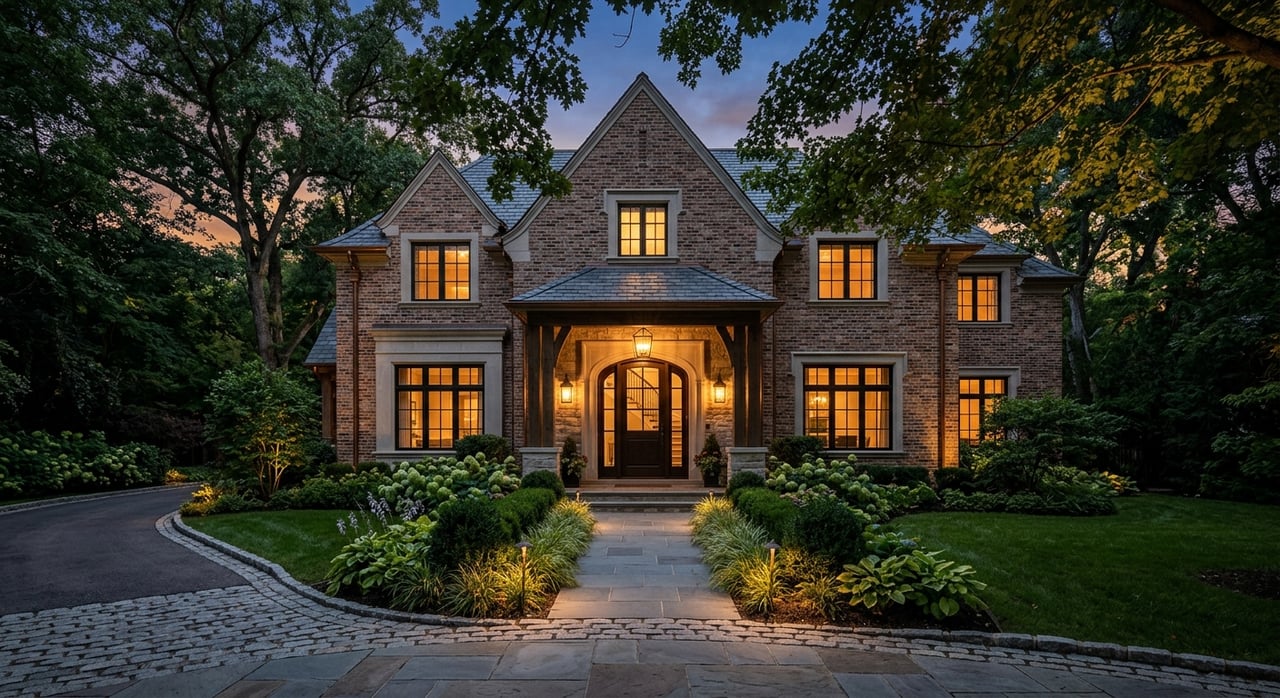
New construction in Tanglewood is often custom rather than cookie-cutter. In practical terms, that usually means larger homes, more tailored architecture, and layouts that reflect current preferences for ceiling height, natural light, and more formal room definition.
The neighborhood has seen original 1950s ranch homes replaced with much larger houses, including homes with a second floor and more structured living and dining spaces. Later architectural styles described in Tanglewood include European, English, French, and Mediterranean influences, which gives newer inventory a broad design range.
For many buyers, the appeal of new construction starts with function. A newer home may offer more bedrooms and baths, larger kitchen and family spaces, and a floor plan built for modern daily life and entertaining.
What new construction may offer
- Larger overall footprint
- Higher ceilings
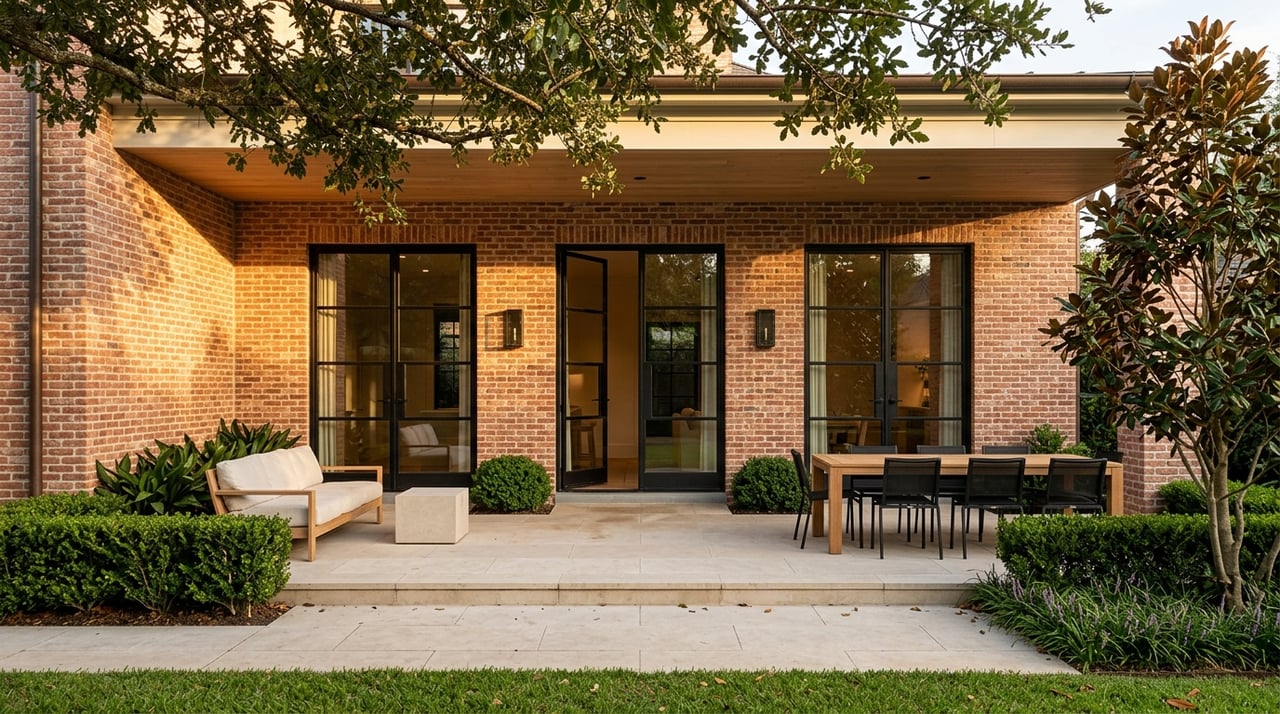
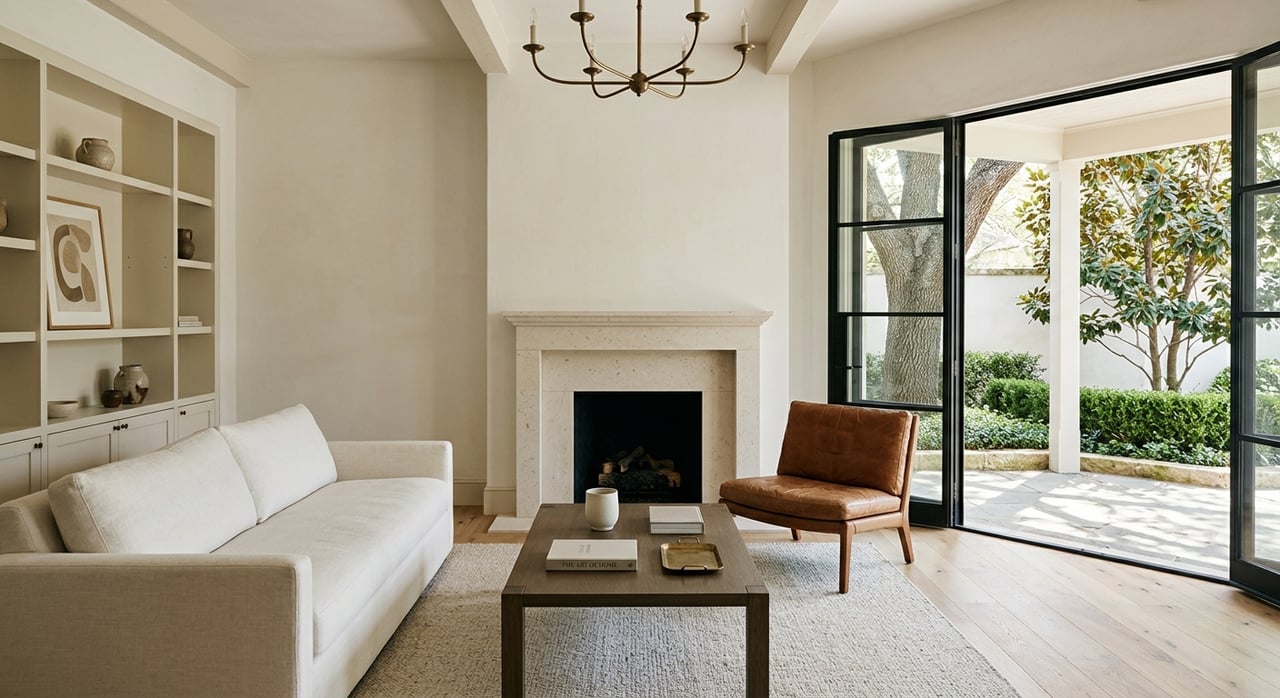
- More glass and natural light
- More formal room separation in some layouts
- More customization in architecture and finishes
- A stronger baseline for energy performance in many cases
That last point matters. Newer homes can begin with better comfort, durability, and efficiency standards, while older homes may need targeted upgrades to narrow the gap.
Tanglewood approvals matter
In Tanglewood, a new build is not only about design taste or square footage. Exterior work generally requires approval from the Tanglewood Homes Association, and new-home submittals typically require a scaled site plan, floor plans, elevations from all sides, exterior material descriptions, and often a tree survey or disposition plan.
The association notes that additions and new-home approval can take up to ten days. That does not necessarily make the process difficult, but it does mean planning is part of the purchase conversation if you are buying land value, considering a teardown, or evaluating a partially updated property.
The lot still shapes the house
Tanglewood’s deed restrictions influence setbacks, roof and wall materials and colors, garage-door orientation, perimeter fencing, driveway entry, and residence direction. In real terms, the build envelope on a lot may be shaped by lot dimensions, tree placement, and the applicable restrictions.
That is important because two lots with similar square footage may not offer the same building flexibility. In Tanglewood, the relationship between the house, the yard, and the tree canopy can be just as important as the headline square footage.
Why Classic Homes Still Appeal
Classic Tanglewood homes continue to attract buyers for good reason. The original ranch house became popular because it supported a casual style of living, was relatively efficient to build, and helped popularize the open floor plan.
That history still translates well today. Older ranch-style homes often offer generous room sizes, practical one-story living, and interiors that can be updated without losing the home’s original presence on the lot.
In Tanglewood, the appeal of a classic home often extends beyond the house itself. The lot, the mature trees, and the street setting may carry as much weight as the original architecture.
What buyers often value in classic homes
- Oversized lots
- Mature live oaks and established landscaping context
- One-story living in many original homes
- Straightforward floor plans that can be updated
- A sense of scale tied to the original neighborhood fabric
If you appreciate proportion, land, and the quiet charm of a midcentury footprint, a classic Tanglewood home may offer something a larger new build cannot fully replicate.
Updated Classics Offer a Middle Path
Not every buyer wants a full renovation project, and not every buyer wants brand-new construction. In Tanglewood, updated classic homes can offer a compelling middle ground.
A Houston Chronicle renovation example showed how owners opened doorways for more light, refinished floors, and reworked kitchen elements and finishes while keeping the home’s room scale useful for entertaining. That kind of update can preserve the original envelope while improving the interior experience.
For many buyers, this is where value becomes more nuanced. A thoughtfully updated home may retain lot character and mature setting while delivering a more current daily living experience.
Signs of a well-updated classic home
- Improved natural light through layout changes
- Updated kitchen and bath finishes
- Refinished or preserved original flooring where appropriate
- Modernized systems or building-envelope improvements
- Renovations that respect the home’s original scale
This type of property often appeals to buyers who want character, but also want fewer immediate projects after closing.
How to Compare New and Classic Homes
In Tanglewood, the right choice is usually less about age alone and more about the full property package. You are often comparing architecture, lot quality, tree canopy, renovation level, and how well the home fits your daily needs.
Here is a simple way to frame the comparison:
| Consideration | New Construction | Classic or Updated Home |
|---|---|---|
| Layout | Often built for current preferences | May reflect original room patterns, sometimes updated |
| Size | Often larger | Often more modest, especially original ranch homes |
| Energy baseline | Often stronger from the start | Can improve significantly with upgrades |
| Lot relationship | Must work within lot and restriction limits | Often already established with mature setting |
| Character | More dependent on design style and execution | Often tied to original architecture and setting |
| Project needs | Usually fewer immediate updates | May need varying levels of work depending on condition |
This is where design discernment and local market knowledge matter. A beautiful new home on paper may not feel as compelling if the lot relationship is compromised, while an older home may offer more upside than expected if the setting and updates are strong.
Market Context in Tanglewood
Current data points to a high-value neighborhood with mixed-age housing rather than one uniform product type. HAR reports 1,181 single-family properties in Tanglewood, a median lot size of 16,500 square feet, a median year built of 1990, and a median sold price per square foot of $481.03.
HAR also notes a neighborhood value range from $1.31 million to $3.94 million. Realtor.com’s June 2026 snapshot reported a median listing price of $2.65 million, with 38 active homes for sale, homes selling approximately at asking on average, and median days on market up 50 percent year over year.
That mix supports an important takeaway. Tanglewood is not a neighborhood where one rule fits every property, and resale is often highly specific to the individual home.
Resale Depends on the Whole Property
Because Tanglewood includes original ranch homes, updated classics, and larger custom builds, resale tends to be shaped by more than age. Buyers may be weighing lot quality, architecture, tree canopy, interior condition, and renovation level all at once.
A newer home may attract attention for scale, light, and efficiency. A classic or updated home may stand out because of its lot, its established feel, or the way it preserves a connection to Tanglewood’s original character.
That is why careful property analysis matters here. Two homes with similar pricing can offer very different long-term appeal depending on how all of those features come together.
Choosing the Right Fit for You
If you are drawn to turnkey living, a new construction home may offer the ease and customization you want. If you care most about lot presence, mature trees, and a classic neighborhood feel, an original or updated ranch home may be the better match.
In many cases, the best decision comes from looking beyond the finish level and asking deeper questions. How does the home sit on the lot? How much of the yard and canopy remain? How flexible is the layout? How much of the property’s value is in the house versus the setting?
In a neighborhood like Tanglewood, those details matter. They shape not only how a home lives today, but also how it may be perceived by future buyers.
Whether you are buying, selling, or comparing opportunities in Tanglewood, a design-aware, property-specific approach can make the decision much clearer. If you would like guidance on evaluating lot value, architecture, updates, or market positioning in this neighborhood, Patricia Reed offers thoughtful, research-driven representation shaped by deep Houston luxury market experience.
FAQs
What types of homes are common in Tanglewood?
- Tanglewood includes original ranch-style homes, thoughtfully updated older homes, and newer custom houses, often on large lots.
What makes new construction in Tanglewood different from other neighborhoods?
- New construction in Tanglewood is often custom and must work within neighborhood approval requirements, deed restrictions, setbacks, and tree-related planning considerations.
What is appealing about classic Tanglewood homes?
- Many classic homes offer oversized lots, mature trees, one-story living, and floor plans that can be updated while preserving the home’s original setting and scale.
How large are lots in Tanglewood?
- Houstonia describes many original lots as around 16,000 square feet, and HAR reports a median lot size of 16,500 square feet.
Does Tanglewood have neighborhood construction rules?
- Yes. The Tanglewood Homes Association says exterior work generally requires approval, and new-home submissions often need site plans, elevations, material descriptions, and sometimes a tree survey.
Is resale in Tanglewood mainly about whether a home is new or old?
- No. Resale appears to be highly property-specific, with buyers often weighing lot quality, tree canopy, architecture, and renovation level along with age.