If you are preparing to sell in Tanglewood, a generic listing plan is rarely enough. This is a neighborhood with large lots, mature trees, deed restrictions, and a housing mix that ranges from original ranch homes to later custom builds, so your strategy needs more precision from the start. When you understand how pricing, timing, presentation, and HOA coordination work here, you can position your home more effectively. Let’s dive in.
Why Tanglewood Needs Its Own Strategy
Tanglewood is not a one-size-fits-all market. The neighborhood includes about 1,220 lots across 23 sections, and its identity is shaped by its long history, residential setting, and deed-restricted framework. That matters because buyers are not just comparing square footage here. They are also weighing lot size, privacy, architecture, and overall presentation.
The neighborhood’s character is part of its appeal. Tanglewood began with ranch-style homes on oversized lots, and later development introduced larger custom homes. Today, that mix creates several overlapping price bands inside the same neighborhood footprint.
For you as a seller, the main takeaway is simple: your home should be evaluated against the right sub-group, not against one broad Tanglewood average.
Price by Sub-Market, Not by ZIP Code
A strong listing strategy starts with pricing discipline. HAR’s current Tanglewood Area overview shows 99 properties for sale, with an average list price of $1,550,224 and an average list price per square foot of $350.88. Over the last five years, recently sold Tanglewood-area properties averaged $1,461,703 on list price and $340.53 per square foot.
That gap matters. Current active pricing is about 6.1% above the five-year sold list-price average and about 3.0% above the five-year sold list-price-per-square-foot average. In plain terms, some sellers are aiming high, so careful pricing can help your home stand out rather than blend into aspirational inventory.
Recent trend data also supports the idea that buyers are paying attention to quality and presentation. HAR reports that median sold price per square foot in the Tanglewood Area rose from $309.76 in 2023 to $355.45 in 2024, an increase of about 14.8%. That suggests buyers are recognizing value in location, lot quality, and how a home lives, not just in its size.
What a Better Tanglewood Comp Set Looks Like
The most useful pricing analysis usually separates homes into narrower groups, such as:
- Original ranch-era homes
- Updated ranch homes
- Rebuilt or expanded homes
- Architect-driven or design-forward custom homes
- Homes with unusually deep lots or added privacy
A broad neighborhood average can miss the premium attached to architecture, renovation quality, lot orientation, and outdoor setting. In Tanglewood, those details often shape buyer perception as much as the room count does.
Time Your Launch Around Buyer Activity
Even in a luxury neighborhood, timing can influence momentum. HAR says Houston’s residential market is typically busiest in spring and summer, slows from mid-August to mid-September, then picks up again from Labor Day through Thanksgiving before easing into the holiday season.
For many Tanglewood sellers, that creates two logical launch windows. The first is late winter through spring, when buyer activity is broad and fresh inventory often gets strong attention. The second is early fall, especially if your home is fully ready and visually polished.
Tanglewood’s own monthly data points in the same direction, though they should be read carefully because sample sizes can be small. Recent HAR price-trend data shows closed-sales days on market at 5 in February 2026, 7 in March 2026, and 6.5 in April 2026. By contrast, January 2026 was 73 days, November 2025 was 52 days, and October 2025 was 57 days.
What That Means for Your Listing Plan
You do not need to rush to market just to hit a calendar window. But you do want to avoid launching before your home is fully prepared, especially in a neighborhood where digital presentation carries so much weight.
The broader Houston luxury market remains active, but it still rewards precision. In HAR’s June 2026 market update, sales of homes priced at $1 million and above rose 17.1% year over year, pending sales increased 12.3%, and the market carried a 52-day average days-on-market figure. That tells you demand is present, but preparation and positioning still matter.
Presentation Matters More Without Yard Signs
One of Tanglewood’s most important listing details is easy to miss. The neighborhood’s deed restrictions prohibit signs being placed in the neighborhood. That means your first showing often happens online, not from the street.
Because of that, photography, floor plans, and listing copy play an outsized role. Your marketing needs to communicate scale, light, and architectural intent before a buyer ever pulls into the driveway.
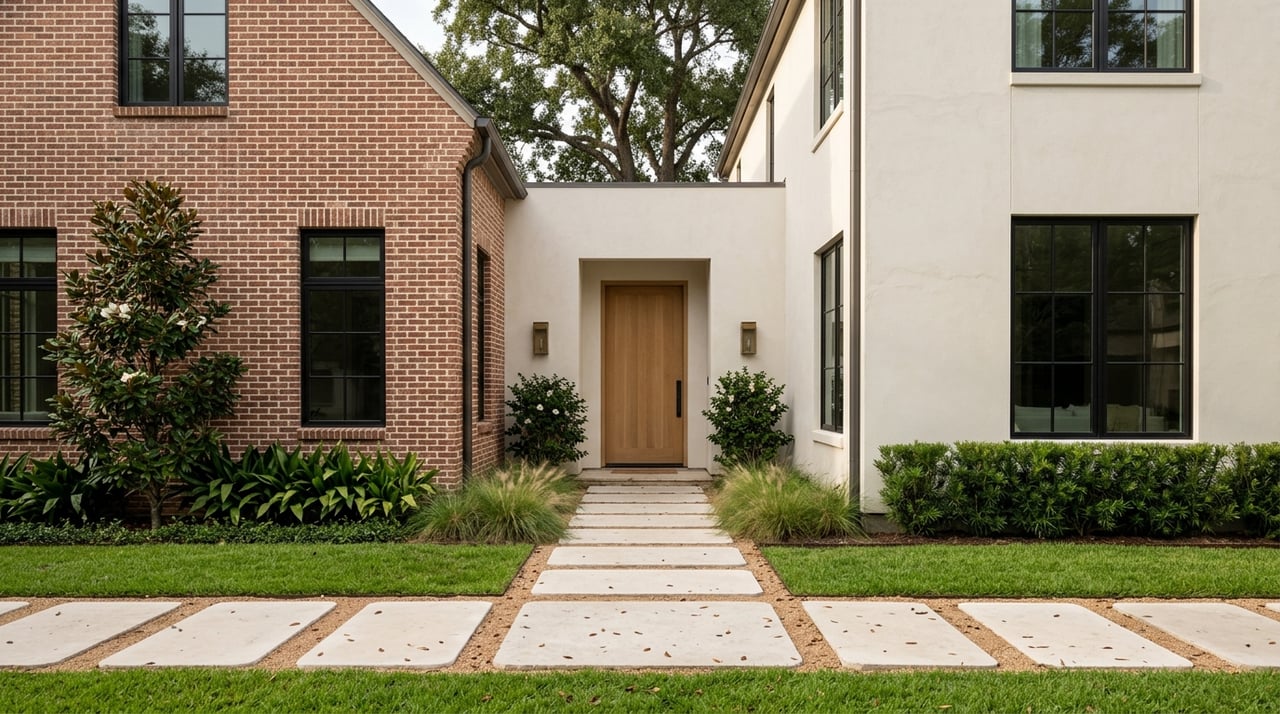
This is where thoughtful presentation can make a real difference. In a neighborhood known for mature trees, oversized lots, and a mix of older and newer homes, buyers respond to homes that feel clearly edited and carefully introduced.
Focus Photography on What Buyers Need to See
For Tanglewood homes, the most effective photography often highlights:
- Façade proportions
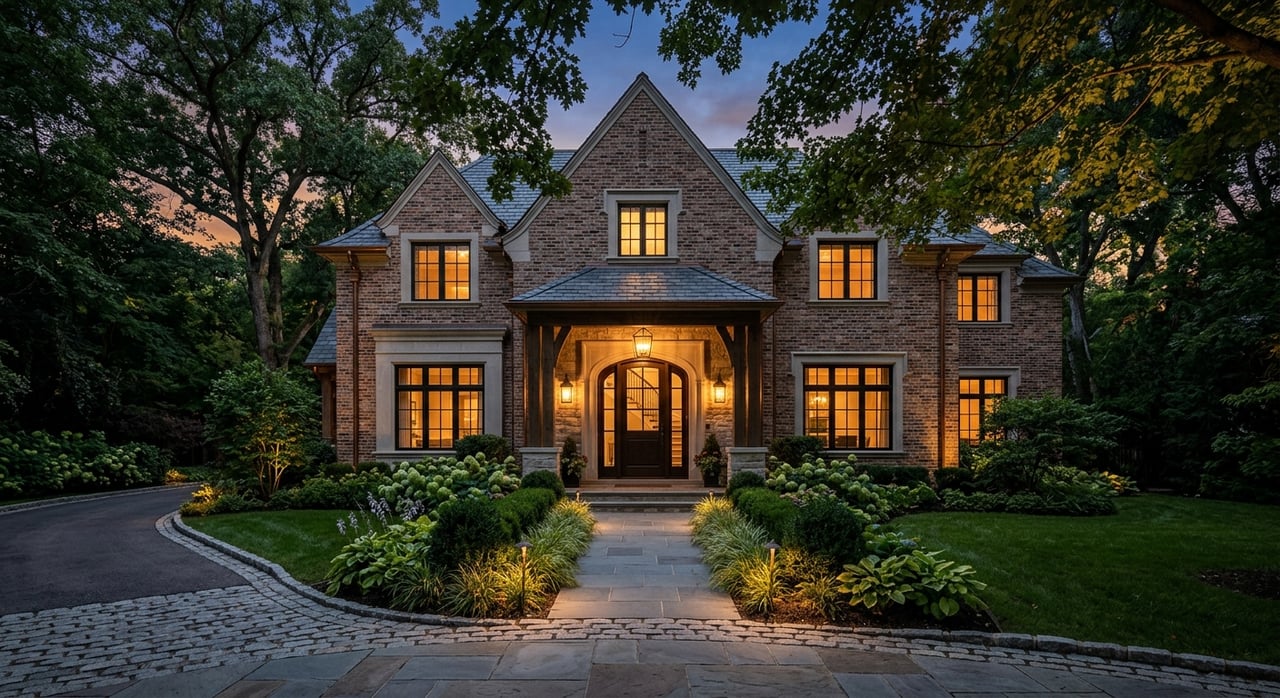
- Tree canopy and approach
- Driveway arrival
- Depth of lot
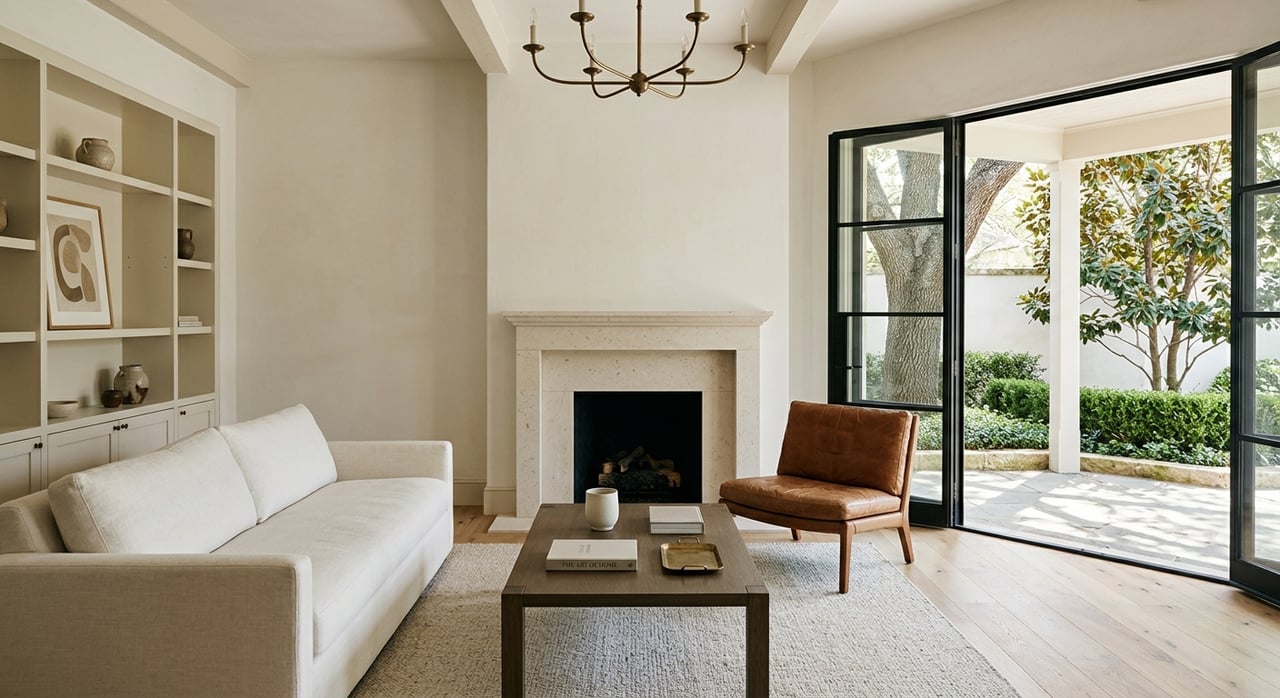
- Primary living spaces
- Kitchen flow
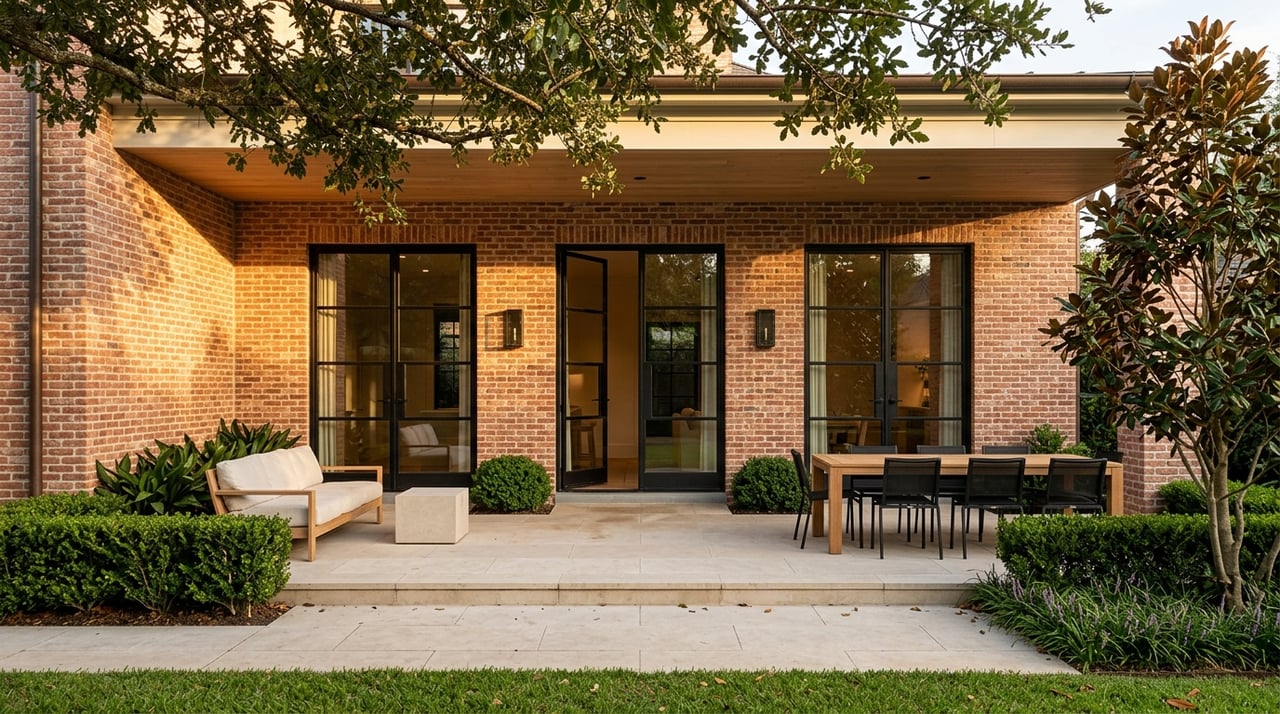
- Backyard privacy
- Relationship between the house and green space
These are not just attractive details. They help buyers understand how the home sits on the lot and how it relates to the neighborhood around it.
Write Copy That Feels Specific
Generic luxury language rarely does enough in Tanglewood. Strong listing copy should describe the home’s architectural era, lot orientation, natural light, indoor-outdoor connection, and distinctive finishes.
That approach is especially important in a neighborhood where one buyer may be drawn to an original ranch home on a large lot, while another is focused on a newer custom build with a different design vocabulary. Specificity helps the right buyer understand why your home deserves attention.
Plan Exterior Work Early
If you are thinking about repainting, replacing roofing, adjusting fencing, or making other exterior changes before listing, build in time for review. The Tanglewood Homes Association states that any work outside the home requires approval.
That rule can affect your listing timeline more than you might expect. If curb appeal improvements are part of your strategy, they should be scheduled early enough to clear HOA review before photography and marketing are booked.
THA also notes that approvals for additions and new homes can take up to ten days. Even if your project is more modest, it is wise to allow extra time rather than compress the final pre-listing schedule.
Build HOA Paperwork Into the Process
In Tanglewood, transaction prep is not only about pricing and presentation. HOA coordination is part of the operational side of selling, and it is better handled early than late.
Property owners are subject to mandatory HOA membership. For 2026, THA lists the annual maintenance fee at $3,150 per lot, with invoices mailed around December 1 and payment due by January 1.
THA also states that a $100 transfer fee applies in connection with a sale, refinance, or equity loan. In addition, a $250 resale-certificate fee applies when the seller or agent requests the information commonly needed for a sale.
Why Early Coordination Helps
When these details are addressed up front, your closing process is usually smoother. A thoughtful listing plan should include early coordination with the HOA and title company so required resale information does not become a last-minute issue.
This may not be the most glamorous part of listing a home, but it is part of strong representation. In a neighborhood like Tanglewood, details matter on both the visual side and the administrative side.
What a Strong Tanglewood Listing Strategy Includes
If you want your sale plan to match the neighborhood, your strategy should bring together market data, design awareness, and practical timing. In Tanglewood, that usually means more than simply taking photos, posting a list price, and waiting for activity.
A stronger approach often includes:
- A comp set tailored to your home’s true sub-market
- A pricing strategy grounded in current competition and recent sold trends
- A launch timeline aligned with both seasonality and readiness
- A photography plan that captures scale, setting, and architecture
- Listing copy that speaks clearly to lot, light, and design
- Early planning for HOA approvals and resale paperwork
That kind of preparation is especially valuable in legacy luxury neighborhoods, where buyers notice nuance and where presentation often shapes the first impression.
If you are considering a move in Tanglewood, Patricia Reed brings Houston luxury market knowledge together with a design-trained eye for architecture, interiors, and positioning, so your listing strategy reflects what makes your home distinct.
FAQs
How should you price a home in Tanglewood, Houston?
- You should price a Tanglewood home by comparing it to the right sub-market, such as original ranch homes, updated homes, or newer custom builds, rather than relying on one neighborhood-wide average.
When is the best time to list a home in Tanglewood?
- HAR data suggests late winter through spring is often a strong launch window in Houston, with early fall also offering opportunity when your home is fully prepared for market.
Do Tanglewood deed restrictions affect how you market a listing?
- Yes. Tanglewood deed restrictions prohibit signs in the neighborhood, which makes digital marketing, photography, floor plans, and listing copy especially important.
Do you need HOA approval for exterior work before listing a Tanglewood home?
- Yes. THA states that any work outside the home requires approval, so exterior improvements should be planned early in your pre-listing timeline.
What HOA fees should sellers expect in a Tanglewood sale?
- THA lists a $100 transfer fee tied to a sale and a $250 resale-certificate fee when sale-related HOA information is requested, along with the neighborhood’s annual maintenance fee structure.
Why does presentation matter so much for Tanglewood homes?
- Presentation matters because buyers in Tanglewood are often evaluating lot quality, tree canopy, architecture, privacy, and finish level, not just square footage alone.