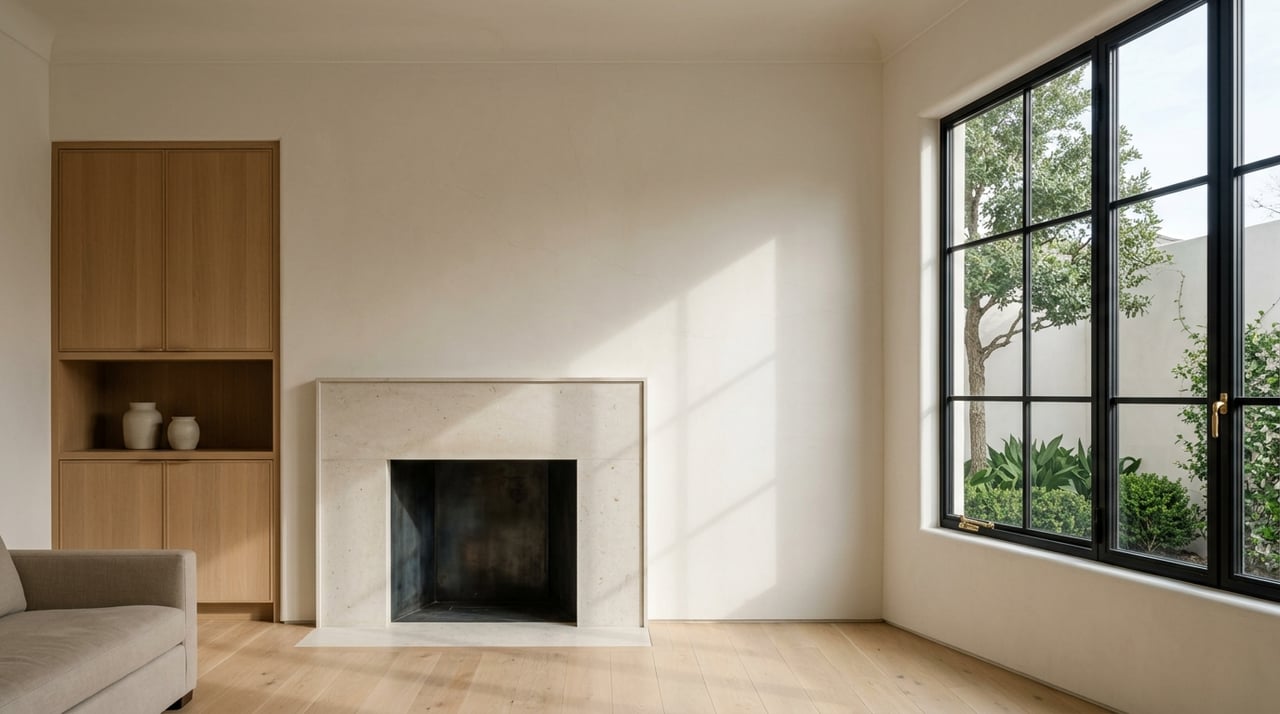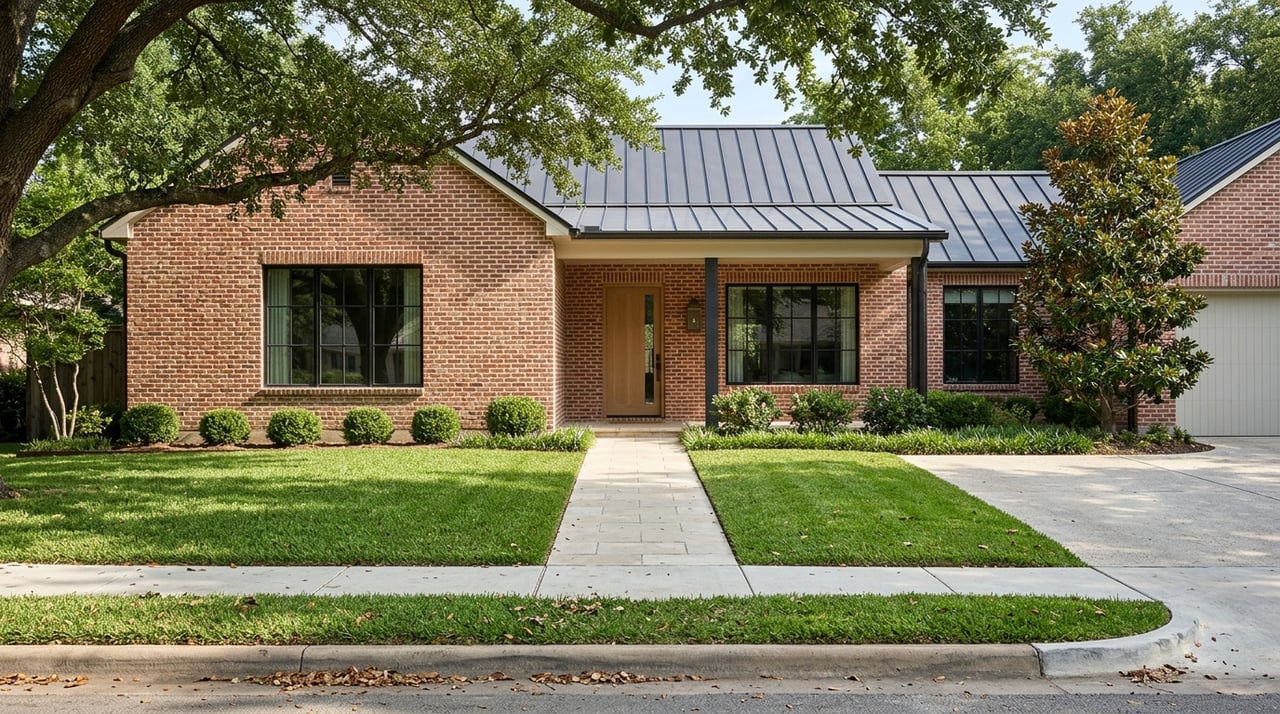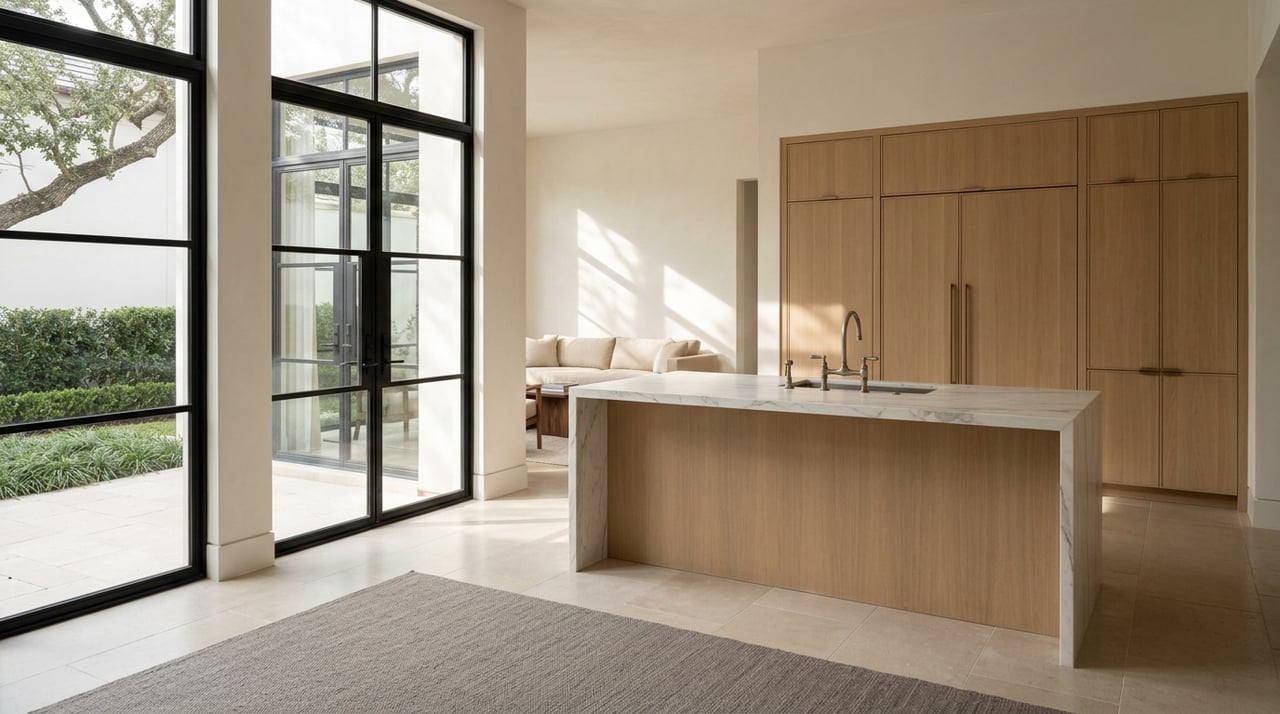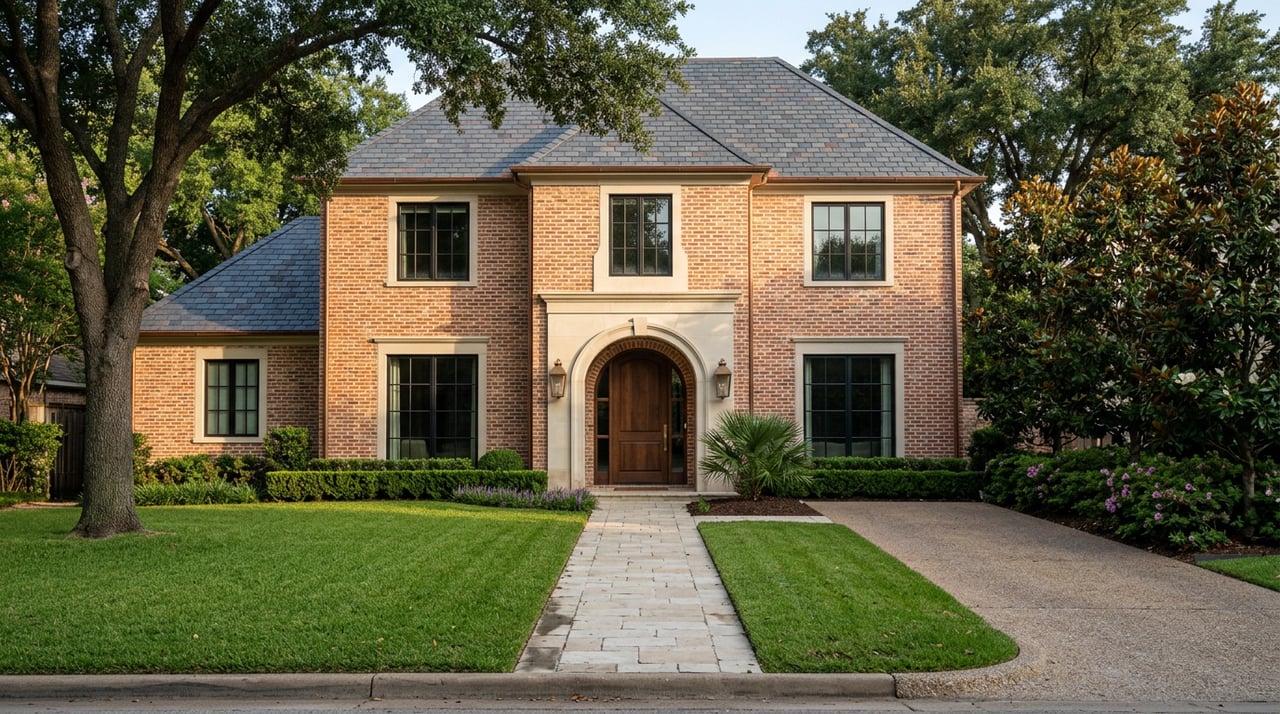
You can fall in love with an estate in the Memorial Villages at first sight. The canopy, the long drive, the quiet streets all feel right. Yet value in 77024 lives in the details you cannot see from the gate. This guide walks you through how to evaluate estate homes in the Villages with clarity, from lot and flood risk to architecture, systems, and permits, so you can buy with confidence. Let’s dive in.
Why the Memorial Villages are different
The Memorial Villages are six small cities just west of central Houston: Bunker Hill Village, Hedwig Village, Hilshire Village, Hunters Creek Village, Piney Point Village, and Spring Valley Village. Each city has its own local government and rules, even though many addresses sit inside or near the 77024 zip code. This independence shapes everything from permitting to police and fire response. If you are new to the area, start with a quick primer on the six Memorial Villages.
Several services are hyper local. Some Villages share a joint police department, while all are served by a Village Fire Department. Coverage can vary by address, so confirm which departments serve the property you are considering. You can review local public safety information through the Memorial Villages Police Department.
School zoning, taxing, and utilities also matter. Most addresses in the Villages are zoned to Spring Branch ISD, with Memorial High School as the primary high school for many streets. School zoning is a common value driver for these properties, and you should confirm zoning for each address. For a broad neighborhood overview, see this Memorial Villages guide. Utilities can vary too. Parts of the area receive water and sewer service from the Memorial Villages Water Authority, and some streets are split between providers. For taxes, check history and current entities through the Harris Central Appraisal District, since Village tax rates differ and change annually.
Estate homes here trade at a premium compared with the broader Memorial area. A mid‑2025 snapshot reported median list and sold prices in the multi‑million‑dollar range for the Villages, roughly around 1.9 to 2.0 million dollars. For current pricing, consult up‑to‑date local market reports such as this Memorial Villages market overview.
Evaluate the lot and site first
Lot size and build envelope
Lot size drives privacy, design options, and future resale. In Piney Point and Hunters Creek, estate parcels commonly exceed half an acre and can reach one to two acres or more. Hilshire tends to offer smaller lots by count. Confirm the recorded lot area and buildable envelope on the survey and cross‑check the parcel in HCAD records. A larger usable envelope can support a pool re‑site, an accessory building, or a thoughtful expansion.
Orientation, privacy, and canopy
Orientation affects daily comfort. South‑facing backyards receive strong sun, while north‑facing yards feel cooler and more shaded. In Houston summers, west and southwest exposures bring late‑afternoon heat, which influences glazing, shading, and pool placement. Mature trees and deep setbacks add privacy and beauty, but they may trigger tree protection rules. Ask the city about any tree or vegetation removal policies and whether the lot lies in a protected canopy area. A neighborhood overview like this Memorial Villages resource can help you frame the right questions.
Topography, drainage, and access
Even small changes in slope change runoff. Walk the property and look for low spots, berms, retaining walls, and signs of standing water. Ask for any past drainage studies or disclosures on water intrusion. Confirm building setbacks, side‑yard and utility easements, and driveway access on the plat and survey, since easements can limit pool or outbuilding locations.
Flood, elevation, and drainage
In 77024, fluvial flood risk tied to bayous and creeks is a core part of due diligence. Check current FEMA and Harris County maps for 100‑ and 500‑year flood zones, and pay special attention if the home sits near Buffalo Bayou or a mapped channel. FEMA released draft flood data for Harris County in early 2026. These draft maps are not yet fully regulatory, but they show areas of potential expanded floodplain and should inform your planning. Review the county’s guidance on the draft FEMA/HCFCD flood maps.
Finished floor elevation matters more than almost any other metric. Ask for the latest survey and compare the lowest adjacent grade to the house’s finished floor. If the home sits in or near a draft floodplain, ask about flood vents, backflow prevention, and any elevation improvements. Also clarify who maintains local drainage features like culverts and inlets, since some are village maintained and others are the homeowner’s responsibility.
Architecture and structure that endure
Style versus structure
Many older Memorial Villages homes are mid‑century or ranch layouts built on slab foundations with masonry or wood framing. Newer custom estates may use engineered slab‑on‑grade or pier‑and‑beam systems. Confirm the foundation type, any settlement history, and whether structural repairs were performed with permits. Understanding the structure helps you plan renovations with confidence.
Roof, envelope, and windows
Request roof age and any roofing permits. Tile and metal systems are common on higher‑end homes and can last longer than shingles, though repairs cost more. Inspect window condition and thermal performance. In Houston, impact‑rated glass or quality shutter systems can provide peace of mind and can also reduce cooling loads.
Interior layout and volume
Estate homes often feature formal and informal public rooms on the main level, private suites well separated from entertaining zones, and generous ceiling heights. When you evaluate layout, think in terms of circulation and flexibility. Can the kitchen expand without structural overreach? Do guest or staff quarters sit where they support your lifestyle? The answers shape scope and cost if you plan to rework the plan.
Systems that drive comfort and cost
HVAC capacity and zoning
Cooling is a major operating cost in Houston. Count the condensers and check serial numbers for approximate age. Zoned systems can improve comfort in large footprints. If you plan to expand or reconfigure space, consider commissioning a mechanical load study so you right‑size equipment before you build.
Electrical service and panels
Large homes often need 400‑amp service to support modern kitchens, multiple laundry zones, EV charging, and pool or spa equipment. Confirm the main panel size and any subpanels. Verify that service upgrades were permitted and closed out properly.
Plumbing and sewer type
Ask about original materials and any replacements. Older cast iron or galvanized lines may be nearing the end of their lifespan. Also confirm whether the home connects to public sewer or a private lateral and whether any backflow prevention devices are installed.
Outdoor living and ancillary spaces
Pool orientation and equipment
A well‑sited pool aligns sun exposure, shade, and privacy. Look for equipment age and condition, the presence of heaters and automation, and whether the pad sits at risk of flooding. Pool rebuilds can be expensive and may be limited by setbacks and easements, so confirm constraints early.
Drives, gates, and security
Gated drives, long motor courts, and auto courts are common estate features. If a gate system is dated, ask whether replacement will require permits. Consider traffic flow for guest parking and service vehicles.
Guest houses and accessory buildings
Accessory structures create flexibility for guests, offices, or wellness spaces. Confirm whether outbuildings were permitted and compliant. Some Villages require separate permits and may have specific limits on accessory dwellings.
Regulations and approvals to confirm
Each Village has its own land use rules, setbacks, and processes, and some operate design or architectural review. Confirm the exact zoning classification and required setbacks for the address you are considering. You can review an example of local zoning documentation through Hunters Creek’s zoning ordinance, then call the specific village for your property to confirm details.
Deed restrictions and private covenants are also common along 77024 streets. These can govern fences, exterior materials, and other design features. For demolition or large remodels, expect village permits that may include site plans, tree protection, and erosion controls. As a starting point, review municipal checklists like Hunters Creek’s village resources and then request the specific requirements for your address.
Remodel or teardown
On estate‑scale lots, the decision to remodel or rebuild turns on lot utility, the position of the building envelope, canopy protection, utility capacity, setbacks, and your own program. If the existing home sits well within the envelope and the roof, structure, and MEP systems are in reasonable condition, a high‑end remodel can preserve mature trees and shorten timelines compared with a full rebuild.
If you lean teardown, plan the full picture. Budget for demolition, arborist services and tree mitigation if required, regrading and possible replatting, utility relocations, and village review time. Elevation requirements in or near floodplains, foundation choices, major MEP replacements, and site work can be the largest cost drivers. Always include a contingency for hidden conditions like water damage or mold.
Your on‑site tour checklist
Bring a copy of the plat and any prior survey. During each showing, work through this list:
- Lot and site
- Confirm recorded lot area and compare to the parcel in HCAD.
- Note sun patterns in primary rooms and yard in morning and late afternoon.
- Look for low spots, water stains, musty smells, and signs of past ponding.
- Identify mature trees, roots near hardscape, and any recent clearing.
- Look for visible easements or overhead lines.
- Flood and elevation
- Check the current FEMA or county flood zone for the address and flag any draft map changes through the HCFCD update.
- Compare finished floor to surrounding grade on the survey.
- House and structure
- Ask for roof age and permits and look for patching or ponding on flat areas.
- Scan for exterior or interior cracks that might suggest settlement.
- Check window condition and any hurricane protection.
- Systems and utilities
- Count HVAC condensers and note visible ages.
- Verify main electrical panel rating and presence of subpanels.
- Inspect pool equipment and whether the pad sits above known low points.
- Permits and legal
- Request permits for major renovations, additions, and pool work.
- Ask for the recorded plat, last survey, and any HOA or deed restrictions.
- Neighborhood context
- Note traffic, any school drop‑off congestion, proximity to arterial roads, and noise from commercial corridors.
Who to bring onto your team
Before serious negotiation, line up the right specialists. A licensed surveyor confirms lot corners and easements. A structural engineer evaluates foundations and additions. A civil engineer models drainage and elevation. Trade inspectors for roofing, HVAC, and plumbing assess condition. A licensed arborist advises on tree health and mitigation. Finally, a local architect or builder familiar with your specific Village’s permits helps you map the timeline and scope.
You or your agent should also verify key records. Use HCAD’s property search for appraisal history and taxing entities, confirm water and sewer service areas with the Memorial Villages Water Authority, and check municipal permit history. For public safety context and alerts, review the Memorial Villages Police Department.
A simple evaluation path
- Pre‑tour research
- Pull HCAD history and taxing entities, check MVWA service area, confirm which Village governs the address, and scan any available permits.
- First visit
- Walk the site for orientation, privacy, and drainage signs. Note structure and systems at a high level, and photograph utility panels and equipment labels.
- Second visit with specialists
- Bring your inspector, engineer, or builder to test assumptions about foundation, roof, MEP capacity, and any elevation or drainage improvements.
- Offer strategy
- Align price with lot utility, structure condition, and any regulatory constraints like setbacks or tree protection. Use recent market data for the specific Village.
- Option period diligence
- Order surveys, elevation certificates, and any drainage studies. Confirm deed restrictions and municipal requirements for your planned work.
- Final steps
- Lock in insurance, finalize scope with your builder or architect, and plan any staging or improvements before move‑in.
If you want a thoughtful, design‑minded evaluation of an estate in the Memorial Villages, let’s start a conversation. With deep local knowledge and a trained eye for architecture, materials, and presentation, Patricia Reed helps you navigate the details that drive value.
FAQs
What should a 77024 buyer know about new flood maps?
- FEMA and HCFCD released draft flood data in early 2026 that is not yet fully regulatory but signals possible changes, so consult the county’s guidance on draft maps and work with an engineer during due diligence.
How do zoning and setbacks work in the Memorial Villages?
- Each Village has its own rules and review processes, so you should confirm the exact zoning classification and setbacks with the governing city; as an example, review Hunters Creek’s zoning ordinance before calling the correct village office for your address.
Are large Memorial Villages lots easy to subdivide?
- Some can be, but minimum lot sizes, platting rules, and tree‑protection requirements often limit subdivision, so make a pre‑application inquiry with city planners and review neighborhood guidance such as this Memorial Villages overview.
Do teardown projects happen often in the Villages?
- Yes, given limited land and strong lot value, many buyers pursue custom builds while others target turnkey estates to avoid rebuild timelines and permit uncertainty, a pattern noted in this Memorial Villages guide.
How should I verify taxes and utilities for a 77024 estate?
- Pull recent appraisal history and taxing entities in HCAD and confirm water and sewer service areas with the Memorial Villages Water Authority, since both can vary by street within the Villages.